

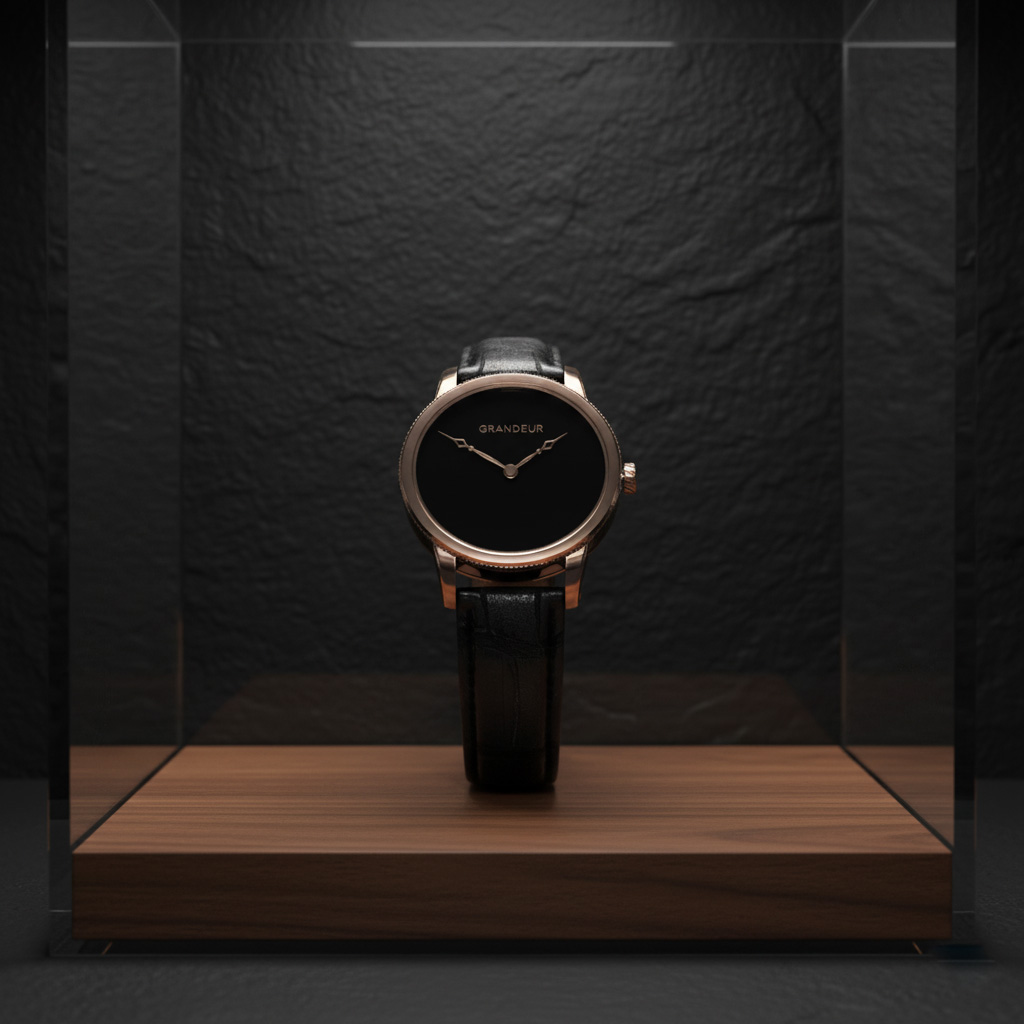
The Grandeur Noir Sonata Minute Repeater
When Time Finds Its Voice
There’s a quiet kind of courage in what Grandeur has done with the Noir Sonata.
In a world where the minute repeater is often treated as the sacred preserve of old Swiss ateliers and six figure price tags, this independent brand has stepped forward with something audacious a chiming watch that’s as modern in spirit as it is traditional in soul.
An Independent Melody
The Grandeur Noir Sonata doesn’t shout for attention it resonates.
Its name alone captures the duality of the design “Noir” for its sleek, dark aesthetic, and “Sonata” for the musicality that defines it. This isn’t a watch made to impress at first glance it’s one that invites you in, tick by tick, chime by chime.
At roughly $6,500, it sits in a category few dare to enter a mechanical minute repeater for collectors who crave substance and story over logo and legacy.
A Complication Worth Listening To
For the uninitiated, the minute repeater is one of watchmaking’s oldest and most revered complications.
At the slide or turn of a mechanism, it chimes the hours, quarters, and minutes a poetic reminder from a time before electricity, when people relied on sound to tell time in the dark.
Grandeur reimagines this centuries old artistry with its own modern architecture: a rotating bezel activation system, visible chime regulators beneath sapphire crystal, and a repeater module built in house atop either the ETA 6497 or ETA 7001 two stalwart hand-wound Swiss movements.
It’s not a novelty dressed up in complexity. It’s a conversation piece that hums with mechanical authenticity.
The Design Language of Silence and Sound
The Noir Sonata wears its name well.
Its dial is dark, layered, and architectural a composition of brushed metal and skeletonized depth that reveals the beating heart of the mechanism beneath.
The titanium case keeps the watch lightweight yet substantial, while the transparent caseback ensures the wearer can admire what they hear hammers, gears, and gongs performing in mechanical harmony.
The watch doesn’t overwhelm. Instead, it whispers. It asks the wearer to slow down, to listen to appreciate the passage of time as more than a visual cue.
The Experience of Hearing Time
When you activate the repeater, the watch comes alive.
The sound isn’t the booming cathedral resonance of a Patek or a Lange but that’s precisely the point. It’s intimate. Personal. It belongs to the wearer.
The Noir Sonata’s tone is clear, modestly warm, and deliberate a kind of handmade hum that reflects the balance of modern machining and artisanal assembly. Each chime feels like a small act of defiance in a world ruled by silence and screens.
Grandeur’s Quiet Rebellion
Grandeur, as a brand, doesn’t carry centuries of heritage. It carries curiosity and that might be even more valuable right now.
Where traditional maisons lean on archives and lineage, Grandeur builds from passion, from the desire to democratize complications without diluting craftsmanship.
That’s a delicate balance, and one that the Noir Sonata handles with surprising grace.
Final Thoughts..
The Grandeur Noir Sonata Minute Repeater isn’t about prestige it’s about presence.
It challenges the notion that true horological poetry must come with a royal crest or a vault-sized price.
It’s a reminder that the beauty of mechanical watchmaking lies not in its exclusivity, but in its intimacy the moment when time itself becomes music.
Grandeur has taken that moment and bottled it into titanium and sapphire.
The result isn’t just a timepiece. It’s an invitation to listen, to appreciate, and to remember that even in the modern rush, time still sings.

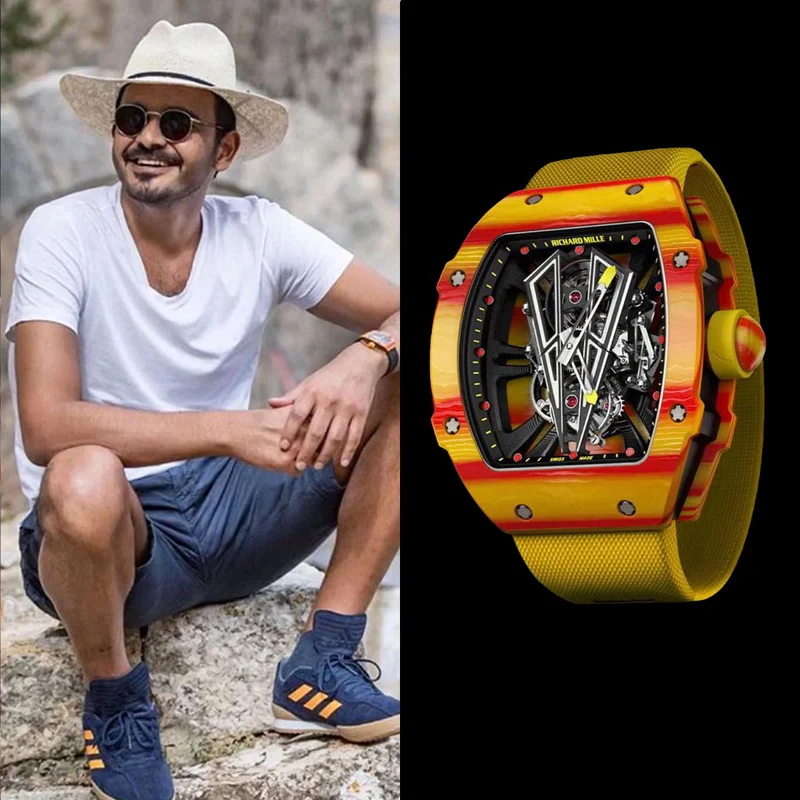
When Time Becomes Style
The Al Thani Brothers and the Rise of Sophisticated Watch Culture in the Arab World
H.H. Sheikh Khalifa bin Hamad Al Thani and H.H. Sheikh Joaan bin Hamad Al Thani are well-known in Qatar and the surrounding area for their unique taste in excellent watches in addition to their leadership and sophistication. Their creations transform what might otherwise be accessories into statements of elegance and individuality by reflecting culture, workmanship, and service.
H.H. Sheikh Joaan bin Hamad Al Thani
The head of the Qatar Olympic Committee, H.H. Sheikh Joaan, is well known for his interest in cutting-edge watchmaking. The Richard Mille RM 056 “Felipe Massa” Sapphire Tourbillon Split-Seconds, which is made from sapphire blocks and is one of only five in the world, has been spotted on him. Another example is the Patek Philippe Aquanaut Travel Time 5650G Advanced Research, a limited edition watch with cutting-edge silicon-based movement innovation that was worn by H.H. Sheikh Joaan. These selections demonstrate his attention on elegance and technological innovation, conveying a sense of modernism based on accuracy.
H.H. Sheikh Khalifa bin Hamad Al Thani
A generation of Arab leaders who combine tradition and international influence is embodied by H.H. Sheikh Khalifa. He is shown sporting the Richard Mille RM 52-03 Tourbillon PSG Edition, which was made in partnership with Paris Saint-Germain and is limited to 10 pieces. Every watch he selects is not just a show of money but also a declaration of good taste and craftsmanship.
A New Era of Arab Watch Culture
The admiration for exquisite watchmaking has grown throughout the Gulf thanks to the horological passions of H.H. Sheikh Joaan and H.H. Sheikh Khalifa. Thanks to international events like Dubai Watch Week and the Doha Jewellery and Watches Exhibition, the region has become one of the most significant marketplaces for luxury watches in recent years. These events, which are frequently attended by independent craftspeople and global businesses, have grown to be significant cultural landmarks honoring creativity, accuracy, and design.
The way Arab collectors currently perceive luxury is a direct result of the Al Thani brothers' influence. It's no longer just about possession; it's also about comprehending the movement, the craftsmanship, the story behind each creation, and the watchmaker's creative vision. The Gulf has established itself as a destination for connoisseurs, where collectors are as informed as they are fervent, thanks to this expanding culture of discernment. A regional evolution is shown in H.H. Sheikh Khalifa's appreciation of contemporary collaborations and H.H. Sheikh Joaan's love for technical perfection. Their selections set the standard for a new generation that loves tradition just as much as style by striking a balance between tradition and modern innovation. Through their refined taste, they have become quiet ambassadors for the art of watchmaking, showing how luxury can be both culturally meaningful and globally relevant.
The Al Thani brothers represent a uniquely Arab elegance in an area where sophistication is frequently conveyed through nuance and accuracy, where each watch becomes a part of a greater tradition and every detail tells a tale. Time in the Gulf is not only measured but also honored thanks to their admiration of horology, which has evolved into a link between art, identity, and contemporary refinement.
How Three Centuries Of Innovation Turned Timekeeping Into An Art Form
You would be mistaken to believe that punctuality is a contemporary art form; it was essentially developed in the 18th century. In those days, timepieces were proudly displayed as symbols of elegance, yet they were only as accurate as a sandstorm weather forecast. These days, your smartwatch can monitor your stress levels, steps, and pulse. If theirs could make it through the day without losing three hours, people were ecstatic three hundred years ago.
At Horology Forum 10 during Dubai Watch Week, enthusiasts and historians recounted how centuries of experimentation, failure, and epiphanies transformed timekeeping into a science and art, and how the Arab world still has a fixation with it today.
When Watches Were Wobbly but Wonderful
Imagine living in the 1600s without Wi-Fi, matcha and certainly no atomic clocks. The first "portable" watches were essentially big, bulky, and always incorrect tiny church towers that you could wear with one hand. The first timekeeping device, the Verge escapement, required frequent rewinding and heavenly patience because to its inconsistency. However, as one watchmaker remarked, "It danced, but it danced badly."
It was a start, though. With the invention of the waistcoat and pockets, men could now take a small piece of mechanical chaos with them wherever they went. An technical marvel and a great way to strike up a conversation while you're two hours early for an appointment you're still going to miss.
The Great Leap Forward (Give or Take Ten Minutes)
Enter Robert Hooke and Christiaan Huygens, who around the 17th century decided that being wrong by a few hours wasn’t good enough. They introduced the balance spring, the beating heart of the modern watch, which cut inaccuracy to a mere ten minutes a day. Finally, people could set appointments they had a fighting chance of keeping. Then came the Cylinder escapement, because apparently, thin was in both in waistcoats and in watches. For the first time, elegance joined accuracy, and the wrist’s ancestor, the pocket watch, became a true fashion statement.
When the Watch Learned to Think
Thomas Mudge's invention of the lever escapement in the 18th century was a silent revolution that gave timepieces their beloved tick-tock heartbeat and enabled them to start themselves. Finally, a watch could function without a skilled tap. Even the best clocks became a bit cranky when it was too hot, so Pierre Leroy devised the brilliant notion to adjust for temperature variations. In order to maintain a stable time, his split bimetallic balance wheel employed two metals that expanded at opposite speeds. Consider it the first "climate control" system in horology.
Longitude and the Invention That Saved Sailors
Fast-forward to the era of empire, when being off by a few seconds could strand a ship hundreds of miles from safety. Enter John Harrison, a man who spent 36 years solving the Longitude problem and proving that watchmaking could literally save lives.
Part miracle, part legend, his H4 chronometer clock was accurate to within seconds of the day. It was deemed so important by the British government that it was designated as a state secret. Harrison's masterpiece at the time was the GPS of the Age of Sail; today, we gripe when our phone clock is three seconds off.
The 21st-Century Twist
Fast-forward again, this time to Dubai, where Seddiqi Holding hosts Dubai Watch Week, gathering the heirs of those early innovators. Instead of verge escapements, we now have tourbillons, perpetual calendars, and sapphire cases that cost more than most apartments. Yet the obsession is the same: precision, beauty, and bragging rights.
Where sailors once relied on chronometers to chart the seas, today’s collectors turn to their watches to chart style and taste. Where artisans once pursued perfect time, modern brands pursue perfect craftsmanship and storytelling. The spirit, however, remains unchanged, a shared devotion to beauty, precision, and the quiet pride of owning something extraordinary
Why History Still Ticks
The history of horology is dynamic rather than dusty. Every tick of a contemporary wristwatch is a hint from a time when creativity, experimentation, and trial were all part of the past. Previously navigating oceans, art today navigates identities, particularly in the Arab world where collecting has evolved into a statement of ancestry and intelligence rather than merely wealth. As the old watchmakers might say, perfection takes time. Fortunately, they gave us something beautiful to measure it with.
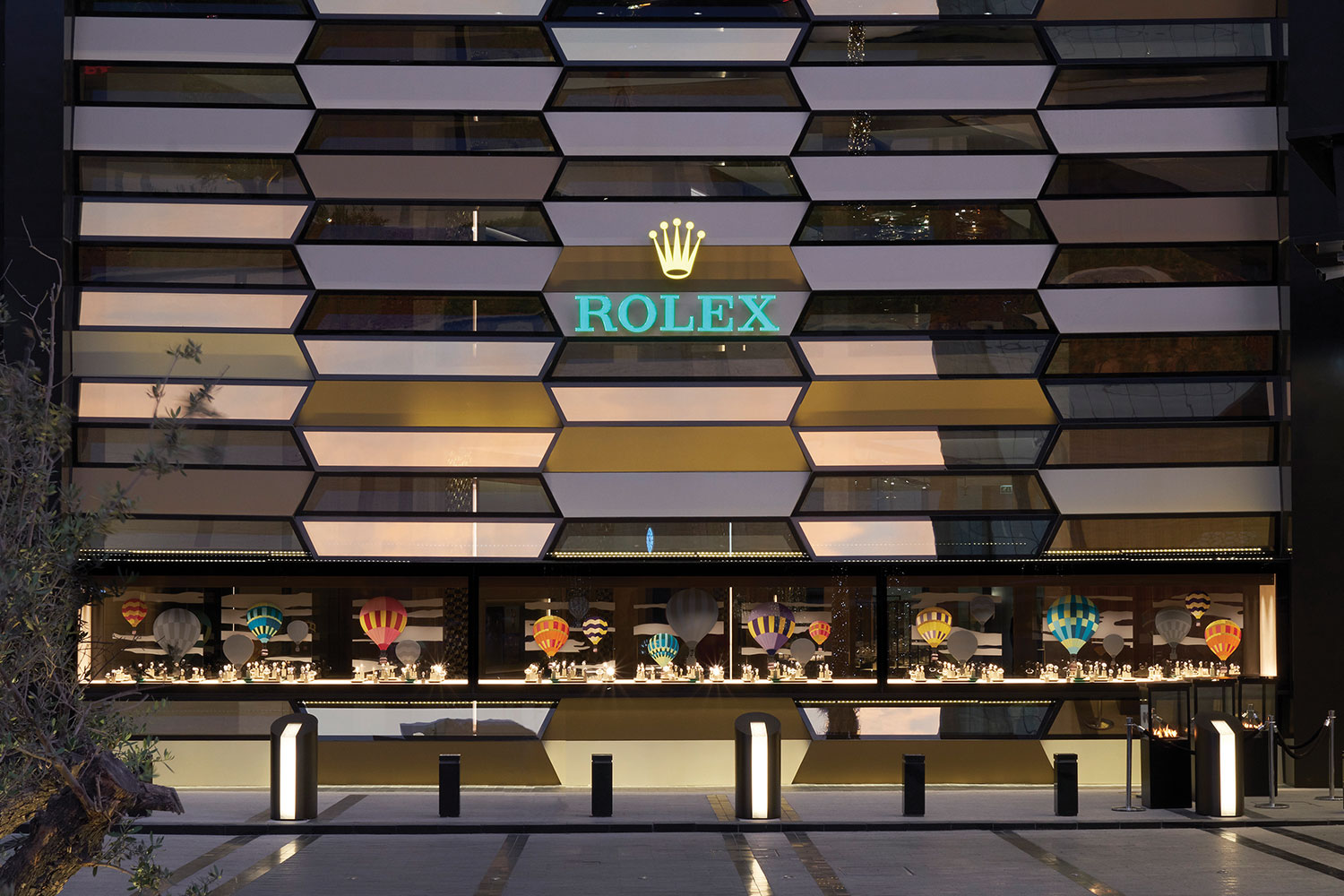
Inside Seddiqi’s Influence on the New Generation of Arab Collectors
In the last twenty years, the Gulf region has subtly evolved from a flourishing market for high end timepieces to a veritable hub of watch culture. Behind that development is the Seddiqi family name, which is associated with high end watches. Seddiqi Holding's Chief Commercial Officer, Mohammed Abdulmagied Seddiqi, has led the company in reshaping what it means to collect, value, and experience the world of luxury watchmaking in the Arab world.
The Art of Crafting Identity Through Limited Editions
The origins of contemporary collecting in the Gulf starts with a straightforward concept: making something special for the area, by the area. Working with some of the most prominent brands in the global marketplace, Seddiqi started creating Dubai Edition and UAE Edition timepieces in the early 2000s. More than 120 limited editions from brands like Bovet, Richard Mille, Audemars Piguet, and Patek Philippe are currently part of that inventory.
Every piece is the result of genuine enthusiasm rather than marketing. By talking to friends and collectors, getting feedback, and perfecting every detail, from the case finish to the dial materials, Seddiqi and his team create watches that they would personally love to own. In order to make a Bovet watch more wearable, one such collaboration redesigned it with a meteorite dial, a sand-blasted titanium case, and a slimmer crown location. This small but significant change made the watch a collector's favorite.
This collaborative crafting ethic has come to define Seddiqi. Authentically Middle Eastern, sophisticated, expressive, and closely linked to cultural identity, these limited-edition timepieces are the end product.
Educating a Generation of Collectors
Many consumers in the area purchased timepieces twenty years ago more as status symbols than as works of art. The price tag was what mattered, not whether it was mechanical or quartz. That mentality has drastically shifted.
Seddiqi has contributed to the development of a new generation of knowledgeable, ardent collectors through constant instruction, ranging from one-on-one consultations to international gatherings like Dubai Watch Week. These days, clients inquire in-depth about design philosophies, power reserves, movement types, and problems. The Gulf consumer has developed into a discriminating connoisseur who appreciates creativity, accuracy, and narrative just as much as luxury.
Perhaps the most telling sign of this cultural shift is the growing curiosity among women collectors. Once drawn mainly to jeweled or decorative watches, many now seek mechanical timepieces featuring complex movements such as world-timers, annual calendars, and even tourbillons, pieces that reflect both elegance and expertise.
A New Era of Collecting in the Gulf
Seddiqi's impact has changed perspective and goes beyond business. Purchasing a watch in the early 2000s was frequently motivated just by prestige; "the most expensive model" was sufficient. Collectors in the Gulf nowadays make deliberate purchases. They are curious as to who created the movement, how many components there are, and what technological advancements are included. Ownership has changed to include comprehension, gathering, and legacy. Consumer sophistication is only one aspect of this cultural shift. It represents a more comprehensive sense of regional identity that emphasizes craftsmanship, artistry, and cultural preservation. Through partnerships, events, and education, Seddiqi Holding has developed a movement that values the art of horology from a truly Arab perspective, in addition to a market.
The Seddiqi Legacy
What started out as a commercial idea in Dubai has developed into a multigenerational community of enthusiasts. By bridging the gap between classic Swiss knowledge and Arab ingenuity, Seddiqi has demonstrated that the future of exquisite watchmaking is not limited to Geneva or Le Brassus but rather flourishes right in the middle of the Gulf.
Every limited edition offers a story of creativity, camaraderie, and the Arabs' unwavering love of beauty and accuracy, not simply regarding time, for collectors around the area.
Top 9 Arab Watches Influencers to Follow
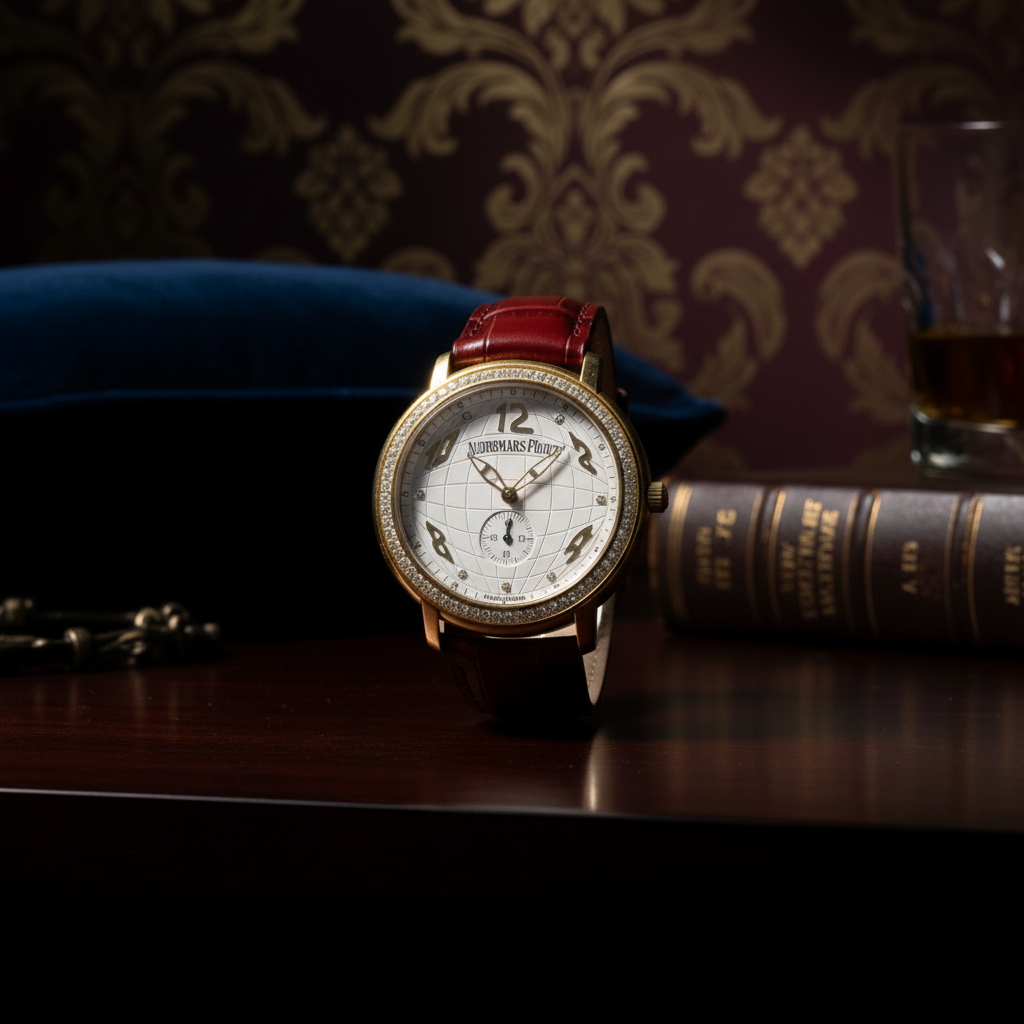
From curated vintage masterpieces to the latest in Swiss innovation, these watch connoisseurs are more than influencers they are storytellers of time, taste, and classical pieces . With an eye for detail and a passion for artisanry, these 9 Arab watch enthusiasts are setting the gold standard across the region and beyond. Whether you are a seasoned collector or a rising admirer, their refined collections and expert insights are a masterclass in luxury living.
- HASSAN @arabwatchguide
A true connoisseur of fine timepieces, Hassan has become a leading voice in the region’s horology scene. Through @ArabWatchGuide, he curates timeless elegance and connects a sophisticated community of collectors across the Arab world. his “Arab Watch Club” has created exclusive limited edition watches for club members — a distinguishing achievement in the region is collection includes very high-end pieces such as a Patek Philippe World Time, Girard Perregaux Laureato Skeleton Ceramic, Jaeger LeCoultre Duometre, Vacheron Constantin Historique 1942 .
- ALWALEED MAJZOUB @dr.caliber
With a deep appreciation for artisanry and a keen sense of style, Alwaleed Majzoub has carved out a respected space in the Arab watch community. His content is a blend of insightful commentary, refined taste, and genuine passion for horology, his reputation is built on “rare and absolutely gorgeous watch shots” and educational posts aimed at newcomers in the watch space.
- KATIA JUNDI @katsbling
Katia Judi has established herself as one of the few Arab women leading the conversation in luxury horology. Through @katsbling, she showcases a curated collection of timepieces with precision, taste, and a clear passion for fine watchmaking
- ALI TLAWI @professor_auction
A prominent influencer in the Arab watch scene, Ali Tlawi brings his passion for luxury timepieces to life with a refined eye and curated content, he continues to inspire collectors and enthusiasts across the region.
- BDER BELSLAH @bader_belselah
Badr Belselah stands out as a refined voice in the world of luxury watches. As an influencer with a sharp eye for detail and design, his content reflects a deep appreciation for horology with a true collector’s mindset.
Identified by “Dubai Watch Week” and other regional publications as an influencer whose Instagram features crisp photos of his collection examples include a “rainbowbezelled F.P. Journe Elegante” and a rare “hexagonal Piaget Limelight”.
- NASSER ALAWADHI @smsar. watches
Known for his expertise and passion, Nasser Alawadhi has built a strong presence in the Arab watch community, as an influencer and trusted name among collectors, he shares a curated world of luxury timepieces from iconic classics to rare finds
- TALIB ALANI @talib_alhayaly
With a discerning eye and a deep-rooted passion for horology, Talib has become a refined presence in the world of luxury watches. His content reflects timeless taste, highlighting the art and elegance behind every timepiece he shares a true voice of sophistication
- HEIDER ROSTAM @dxbskypv
Rostam merges contemporary style with a passion for horology, creating a distinctive presence. Known for his curated watch displays and refined visual aesthetic, he brings a modern, artistic edge to the world of luxury timepieces .
- DUBAI WATCH CLUB GIRLS @dubaiwatchclubgirls
Founded by Noor Al Tamimi is the first women led watch community in the region. With a growing platform that celebrates luxury timepieces and female collectors, Noor and her team are bringing a fresh and inspiring perspective to the Arab watch world, recognised in female watch enthusiast coverage for being one of the region’s first women led watch communities, showcasing what women are wearing and how they engage with luxury watch culture.
From collectors and curators to storytellers and style-setters, these Arab watch influencers are shaping the future of horology in the region one timepiece at a time. Their passion, perspective, and refined taste continue to elevate the conversation around luxury watches, while building a growing community that values both artisanry and culture.
Whether you are a seasoned enthusiast or just discovering the world of fine timekeeping, following these voices is the perfect way to stay inspired and always on time.
As the Arab watch community continues to flourish, these influencers are doing more than sharing beautiful timepieces they are building a cultural narrative around luxury, craftsmanship, and identity. Each of them brings a unique perspective, whether through a rare vintage find, a viral moment, or a thoughtful review that connects
Their voices are shaping the tastes of a new generation, inspiring not only a deeper appreciation for artisanry and history, but also placing Arab collectors firmly in the spotlight on the global stage. Whether through rare vintage finds, limited editions, or viral moments that spark global attention, each one of these individuals plays a role in elevating the region’s presence in the world of fine watchmaking.
And as the world of horology continues to turn, one thing is certain: The future of watch collecting in the Arab world is not just bright it is timeless.
The Art of Gifting Within Arabs and Celebration
In Arab culture, gifting is more than a gesture it is an art form, a language of respect, and a celebration of legacy. Among the many symbols of generosity, few hold as much timeless allure as the watch. To gift a timepiece in the Arab world is to honor both the moment and the memory a tradition that carries centuries of meaning, from royal courts to modern celebrations.
gifting has always been more than a social nicety it’s a performance of generosity, respect, and connection. but when watches entered the picture, they didn’t just replace the old tokens of prestige they redefined them.
From the royal courts of Riyadh and Muscat to family gatherings in Abu Dhabi or Doha the act of gifting a watch carries a unique emotional weight. It’s not just about giving someone something nice it’s about marking a moment, a milestone, or a relationship that matters.
And when you start tracing that tradition back, the story gets even richer.
Watches Become the New Robes of Honor
By the 1950s and 60s, the Middle East was stepping into a new era. Cities like Dubai, Riyadh, and Doha were growing fast, and so was their connection to the rest of the world. Diplomacy became more formal, and with it came a new wave of luxury exchange.
Watches quickly became the go to diplomatic gift elegant, durable, and personal. They could be engraved, customized, and worn all things that made them perfect for a culture that values symbolism as much as substance.
Many of these pieces weren’t just off the shelf luxury watches. They were custom commissions, Arabic numerals on the dial, national crests engraved on the case back, or the ruler’s signature etched into gold. A watch like that didn’t just tell time it told a story.
The Stories: Timepieces of Friendship, Power, and Memory
A Gift Between Kings
In the 1950s, Saudi King Saud gifted Sheikh Zayed bin Sultan Al Nahyan the man who would later unite the Emirates a Universal Genève wristwatch featuring the Saudi coat of arms.
Decades later, it resurfaced at an auction in Dubai, rediscovered like a small but powerful relic of history. A handshake turned into a mechanical heirloom.
The Sultan’s Rolexes
In Oman, Sultan Qaboos was known for gifting Rolexes and Patek Philippe's to those who served the nation during critical moments from Omani officials to British advisors in the Dhofar campaign.
These watches, often marked with the royal khanjar dagger, became known among collectors simply as “the Omani gifts.” Today, when one appears at auction, it’s not just a collector’s item it’s a slice of Omani history.
A Moment in Maroon: The Emir’s Gift of Time
In 2025 as His Highness Sheikh Tamim bin Hamad Al Thani honoured the nation’s top graduates. At the ceremony’s close, each student received a small box. Inside lay a Rolex an Oyster Perpetual with a maroon dial, engraved simply with the word “Tamim.” It wasn’t extravagance. It was a message a symbol of excellence, heritage, and pride, captured in the quiet rhythm of time itself.
Nasser’s Day-Date
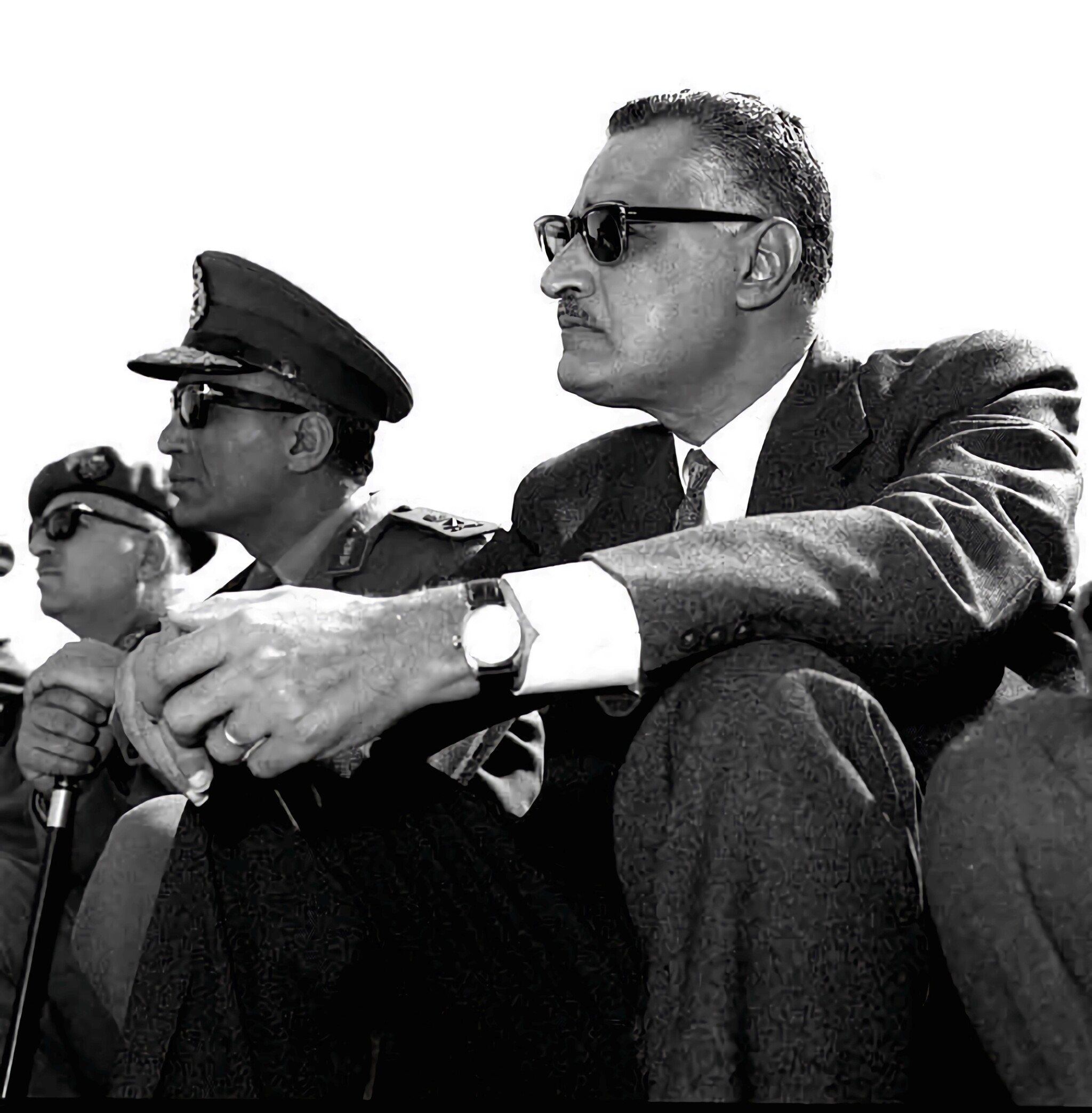
And then there’s Gamal Abdel Nasser the Egyptian president whose gold Rolex Day Date with Arabic numerals, gifted by Anwar Sadat in 1963, is the stuff of legend.
The watch was engraved with the words “Mr. Anwar El Sadat, 26-9-1963.” Two leaders, one friendship, one watch and a story that still ticks.
The Gift That Measures More Than Time
When you think about it, the act of gifting a watch in the Arab world isn’t really about the object at all. It’s about what the object stands for a relationship, a story, a shared moment in time.
It’s a beautiful paradox, giving someone something that measures time, yet becomes timeless itself. because in the end, that’s the true art of gifting in Arab culture the ability to turn a gesture into legacy.
Across the Arab world, a gifted watch has always meant more than its movement or metal. It’s a gesture that carries legacy the unspoken poetry of time shared, of gratitude made visible. Whether exchanged between leaders, offered at weddings, or given to mark success, these watches aren’t trophies. They are testaments to respect, to connection, to continuity.
In a culture where generosity is an art form, timepieces have become its modern canvas. The shimmer of gold, the precision of Swiss steel they all tell stories of lineage, of promise, of pride.
Because here, gifting a watch isn’t about counting minutes. It’s about honoring moments. And as the hands turn, generation after generation, the true measure isn’t time itself it’s the grace with which it's given.
The Legacy of Time, How Arabs Collecters Perserve History Through Watches
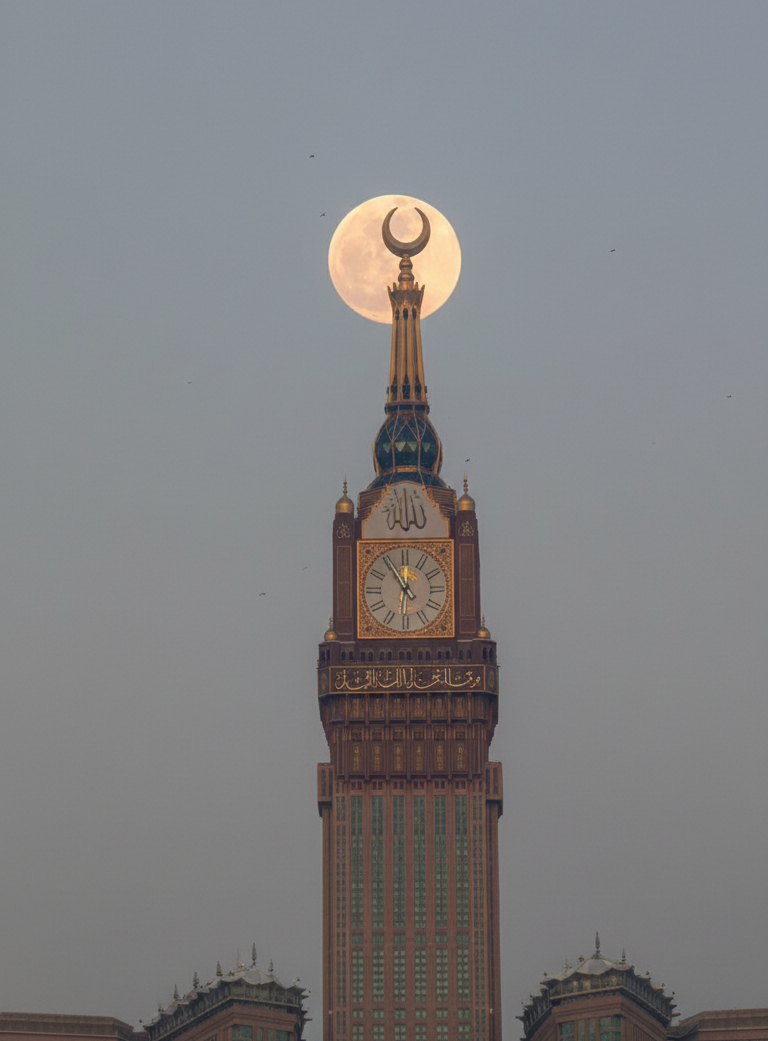
In the Arab world, time is not just measured it is felt, lived, and remembered. For centuries, our culture has valued craftsmanship, beauty, and meaning in every creation. From the calligrapher’s steady hand to the jewellery's precision, artistry has always been part of our identity. It is this same spirit that lives on in the way many Arabs today collect watch not simply as accessories, but as vessels of history, heritage, and pride.
Across the Middle East, an appreciation for detail and quality runs deep. Our ancestors traded in spices, gold, pearls, and textiles.
Always seeking perfection in what they bought, sold, and created. That natural respect for mastery and design makes it easy to understand why fine watchmaking resonates so strongly with Arab collectors today.
To many, a watch is more than a measure of time it is a statement of refinement and knowledge. The intricate mechanics, the artistry of the dial, the legacy of the brand each element speaks to a level of sophistication that aligns beautifully with Arab culture. Whether it’s a Patek Philippe passed down through generations, or a modern Richard Mille acquired to mark success, every piece holds a story.
Timepieces as Family Heirlooms
family and legacy are at the heart of everything we do. A watch gifted by a father or a grandfather is more than an object it becomes a memory in motion. Each time it’s worn, it reminds us of moments shared, lessons learned, and values passed down.
Many Arab collectors view watches as part of their family’s narrative. They are heirlooms that tell stories of ambition, resilience, and continuity tangible links between generations. A watch may change wrists, but it never loses its soul.
Legacy is not measured by wealth alone, but by the values, memories, and traditions we pass on. Among the most cherished of these legacies is the timepiece a silent witness to generations, a companion through moments of triumph and reflection. A fine watch, handed from father to son or gifted to mark a life milestone, becomes far more than an object of beauty; it becomes a living heirloom.
The Enduring Arab Legacy in the World of Watches
Luxury watchmakers around the world have taken notice of this passion. Brands like Rolex, Aude mars Piguet, and Patek Philippe have created limited editions for the Middle East, featuring Arabic numerals, regional motifs, and bespoke engravings. These designs honour both Swiss precision and Arab elegance a fusion of two worlds that share a devotion to excellence.
Many Arab collectors commission bespoke timepieces that weave personal identity into the art of horology. A watch adorned with Arabic calligraphy, regional motifs, or a lunar calendar complication is more than a rarity it is a statement of cultural pride. Each creation reflects a deep desire to preserve heritage while celebrating the innovation of modern craftsmanship.
More Than Luxury A Reflection of Values
collecting watches is not about showing wealth. It’s about celebrating heritage, achievement, and good taste. Each watch represents patience, discipline, and respect for tradition values that define our region’s approach to life.
In a world that moves faster every day, the mechanical watch stands as a quiet reminder to appreciate time itself. Every tick, every rotation of the gears, carries a sense of permanence a reminder that legacy is built not in haste, but through endurance and purpose, to the Arab eye, beauty is never rushed it is built, layer by layer, with care and intention. This philosophy is what makes the mechanical timepiece so powerful it embodies the very patience and precision our culture admires.
As of the khanjar, Oman’s iconic curved dagger, has long symbolized honor and heritage. As the centrepiece of the nation’s emblem, it represents strength and identity qualities beautifully mirrored in the rare Rolex timepieces that carry its distinguished crest.
A Quiet Statement of Character
In a world where extravagance often shouts, Arab elegance speaks softly. A finely chosen watch says more about a person than any words could. It reflects confidence, refinement, and restraint qualities that have always defined true sophistication in Arab culture.
The collector who wears his timepiece does so with pride, but never arrogance. The watch becomes a mirror of his character: strong, composed, and timeless. It reminds him that luxury is not about showing off but about knowing what worth treasuring is.
The Legacy of Time
Across the Arab world, the love for fine watches runs deeper than style or status it is a connection to history, craftsmanship, and identity. Each timepiece tells a story, one that begins long before the moment it is worn. Whether passed down through generations, commissioned as a personal masterpiece, or marked with the revered khanjar of Oman, every watch reflects the Arab respect for legacy and precision.
In this culture, time is not something to be spent it is something to be honoured. The rhythm of a mechanical movement mirrors the rhythm of heritage itself: steady, enduring, and purposeful. A collection of watches, therefore, becomes a collection of memories moments of triumph, family, and pride preserved through artistry.
From the grand halls of Geneva to the majlis of Muscat, Arab collectors have left an unmistakable imprint on the world of fine watchmaking. Their passion has not only inspired brands but reshaped how luxury itself is defined not as extravagance, but as meaning. Because in the end, time is our greatest storyteller. And for Arabs, to wear a watch is to carry a legacy a reminder that true luxury lies not in what we own, but in what we preserve.