
The Art of Gifting Within Arabs and Celebration

In Arab culture, gifting is more than a gesture it is an art form, a language of respect, and a celebration of legacy. Among the many symbols of generosity, few hold as much timeless allure as the watch. To gift a timepiece in the Arab world is to honor both the moment and the memory a tradition that carries centuries of meaning, from royal courts to modern celebrations.
gifting has always been more than a social nicety it’s a performance of generosity, respect, and connection. but when watches entered the picture, they didn’t just replace the old tokens of prestige they redefined them.
From the royal courts of Riyadh and Muscat to family gatherings in Abu Dhabi or Doha the act of gifting a watch carries a unique emotional weight. It’s not just about giving someone something nice it’s about marking a moment, a milestone, or a relationship that matters.
And when you start tracing that tradition back, the story gets even richer.
Watches Become the New Robes of Honor
By the 1950s and 60s, the Middle East was stepping into a new era. Cities like Dubai, Riyadh, and Doha were growing fast, and so was their connection to the rest of the world. Diplomacy became more formal, and with it came a new wave of luxury exchange.
Watches quickly became the go to diplomatic gift elegant, durable, and personal. They could be engraved, customized, and worn all things that made them perfect for a culture that values symbolism as much as substance.
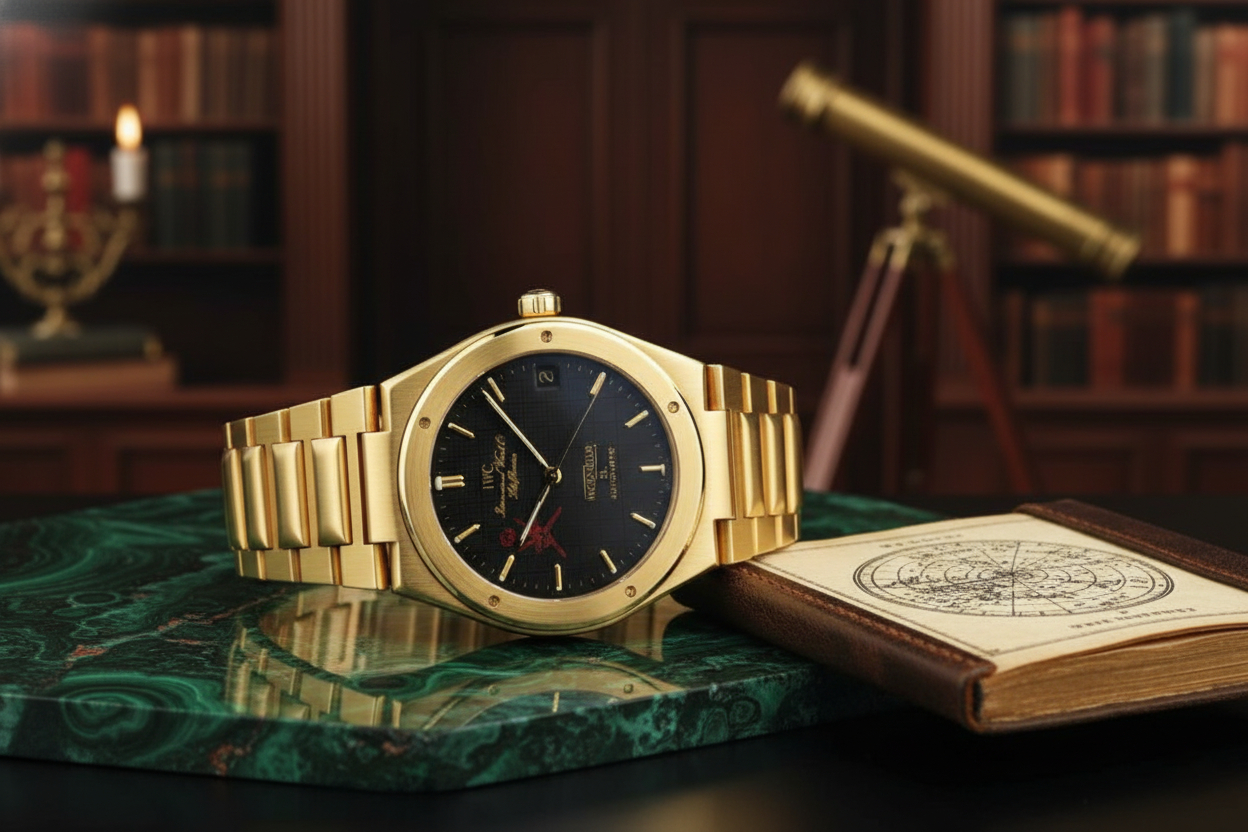
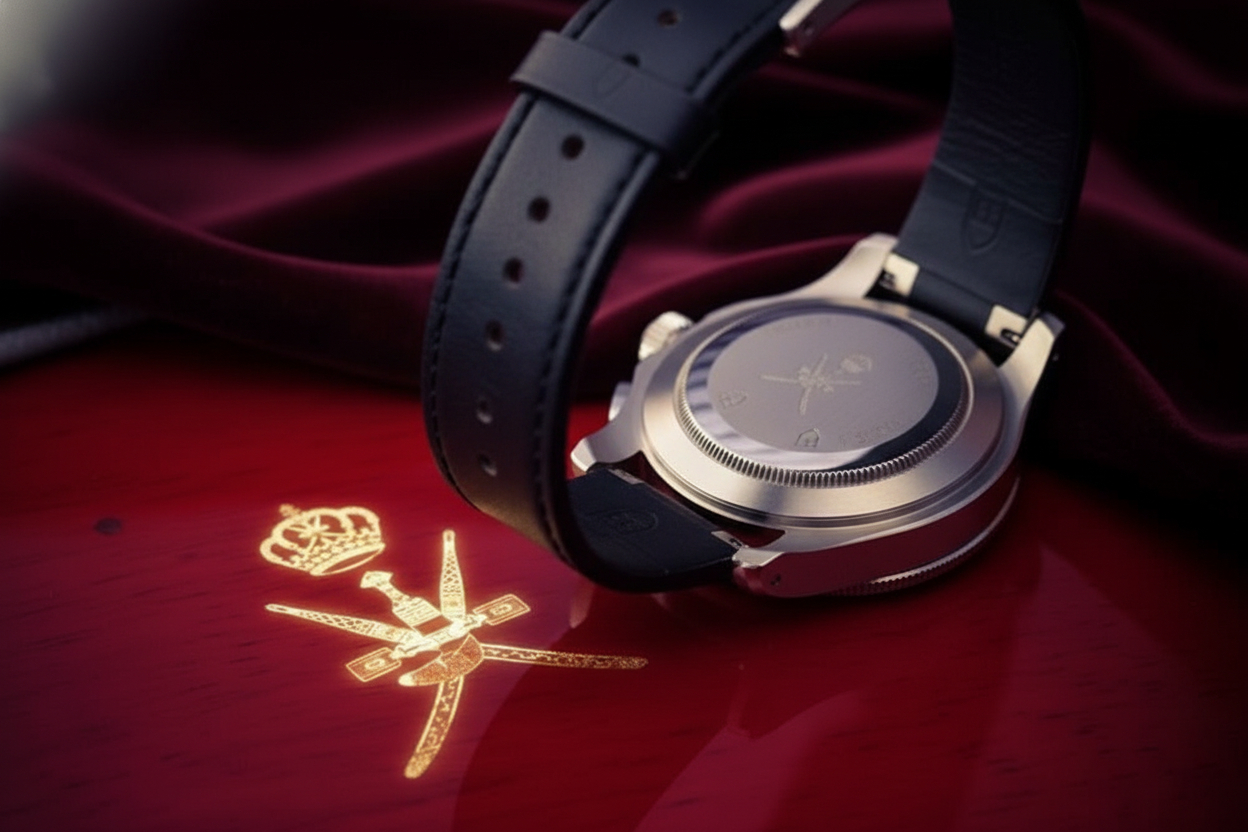
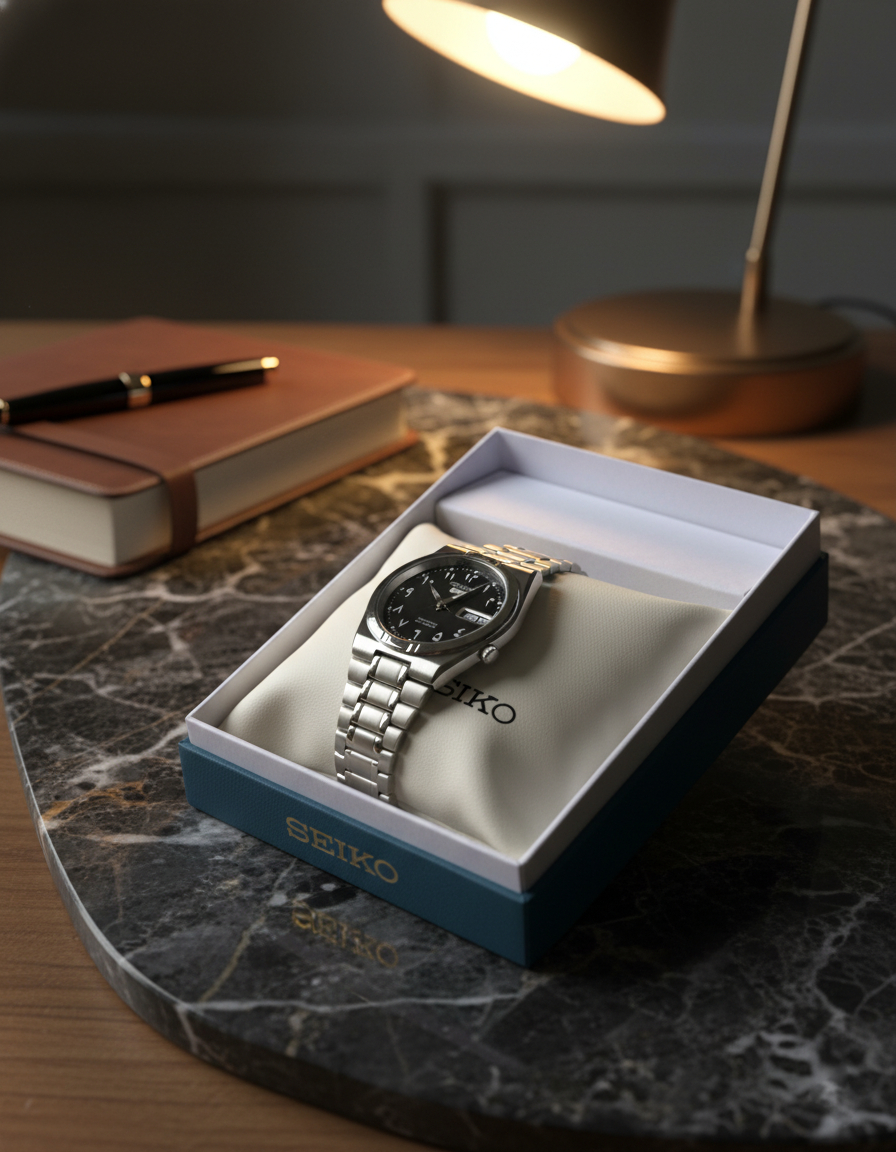
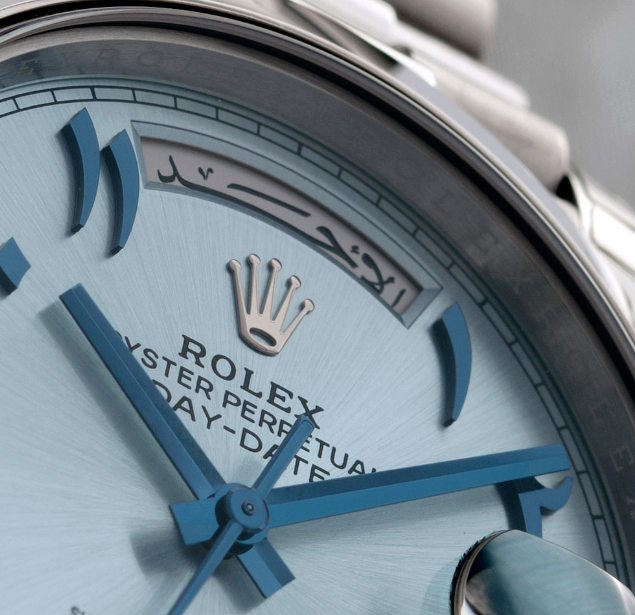
Many of these pieces weren’t just off the shelf luxury watches. They were custom commissions, Arabic numerals on the dial, national crests engraved on the case back, or the ruler’s signature etched into gold. A watch like that didn’t just tell time it told a story.
The Stories: Timepieces of Friendship, Power, and Memory
A Gift Between Kings
In the 1950s, Saudi King Saud gifted Sheikh Zayed bin Sultan Al Nahyan the man who would later unite the Emirates a Universal Genève wristwatch featuring the Saudi coat of arms.
Decades later, it resurfaced at an auction in Dubai, rediscovered like a small but powerful relic of history. A handshake turned into a mechanical heirloom.
The Sultan’s Rolexes
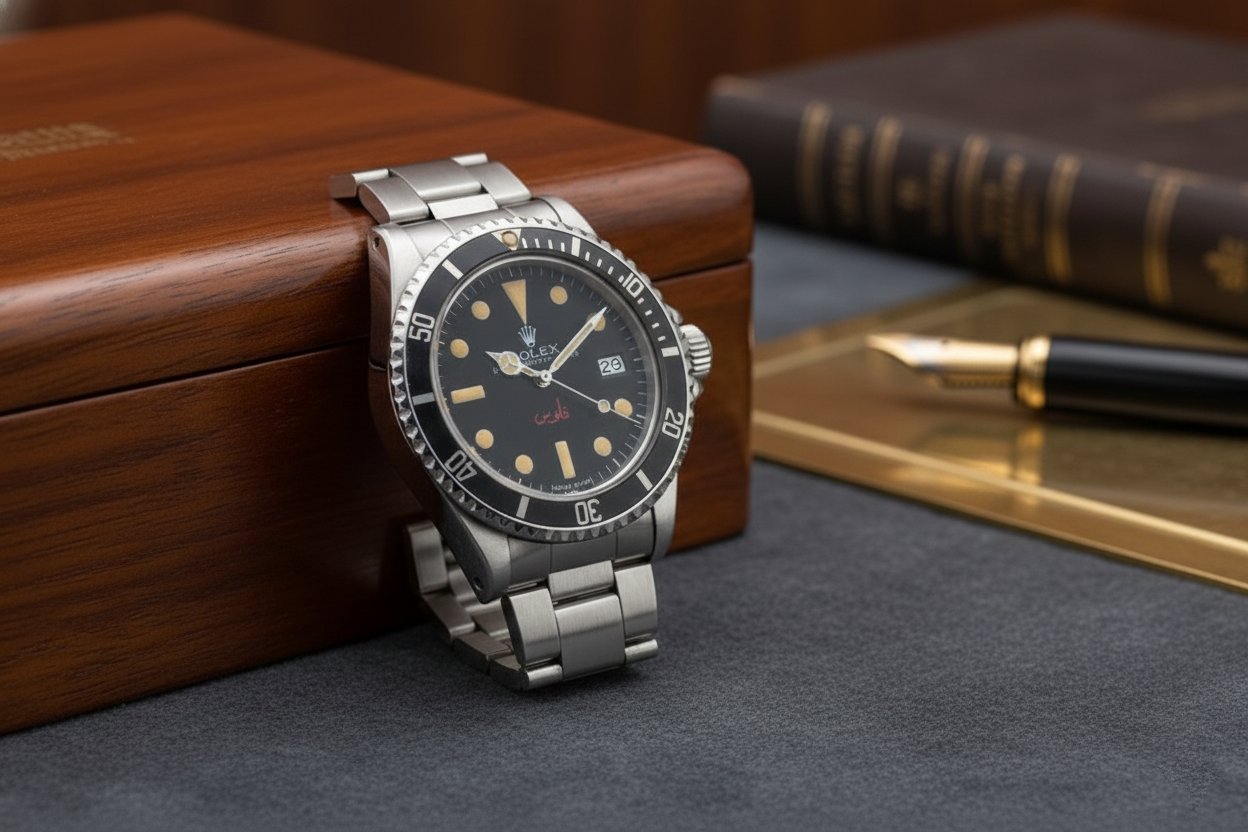
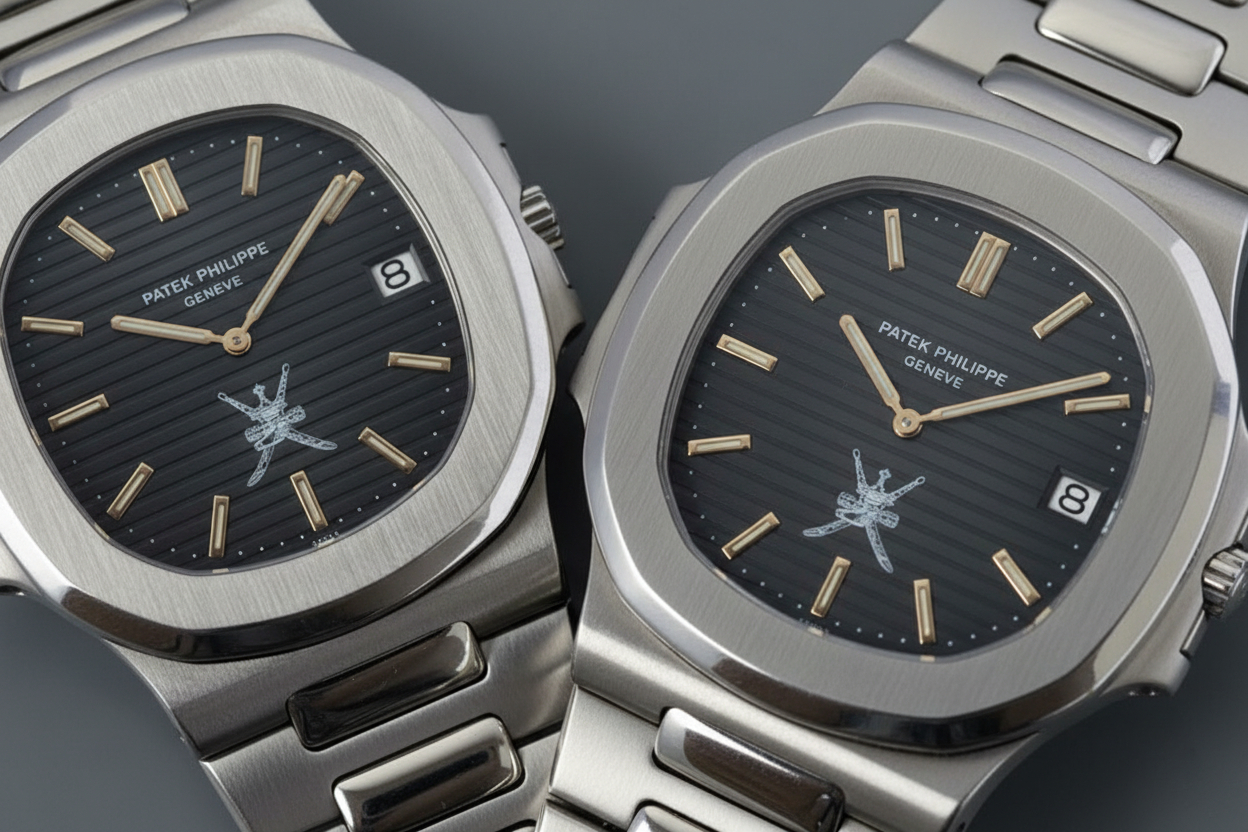
In Oman, Sultan Qaboos was known for gifting Rolexes and Patek Philippe’s to those who served the nation during critical moments from Omani officials to British advisors in the Dhofar campaign.
These watches, often marked with the royal khanjar dagger, became known among collectors simply as “the Omani gifts.” Today, when one appears at auction, it’s not just a collector’s item it’s a slice of Omani history.
A Moment in Maroon: The Emir’s Gift of Time
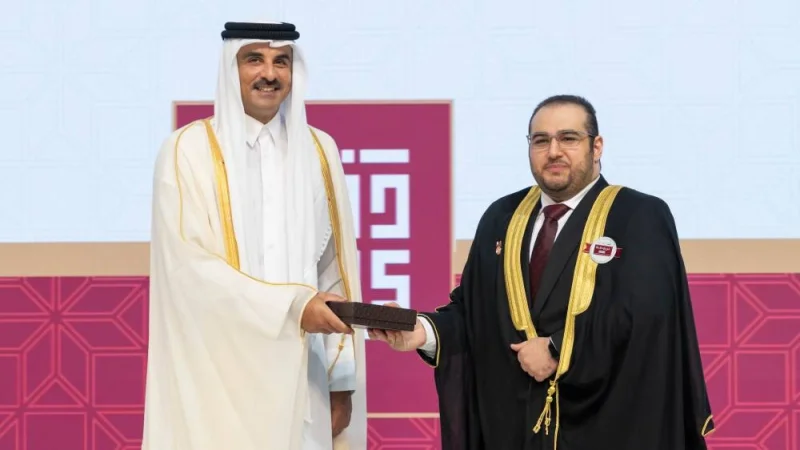
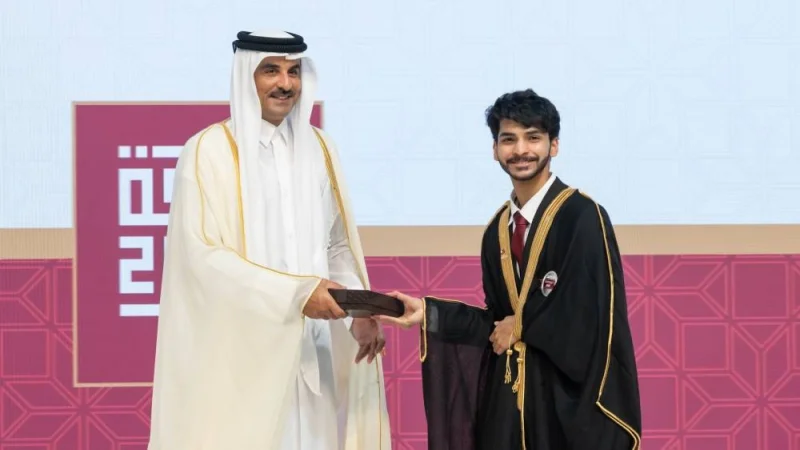
In 2025 as His Highness Sheikh Tamim bin Hamad Al Thani honoured the nation’s top graduates. At the ceremony’s close, each student received a small box. Inside lay a Rolex an Oyster Perpetual with a maroon dial, engraved simply with the word “Tamim.” It wasn’t extravagance. It was a message a symbol of excellence, heritage, and pride, captured in the quiet rhythm of time itself.
Nasser’s Day-Date
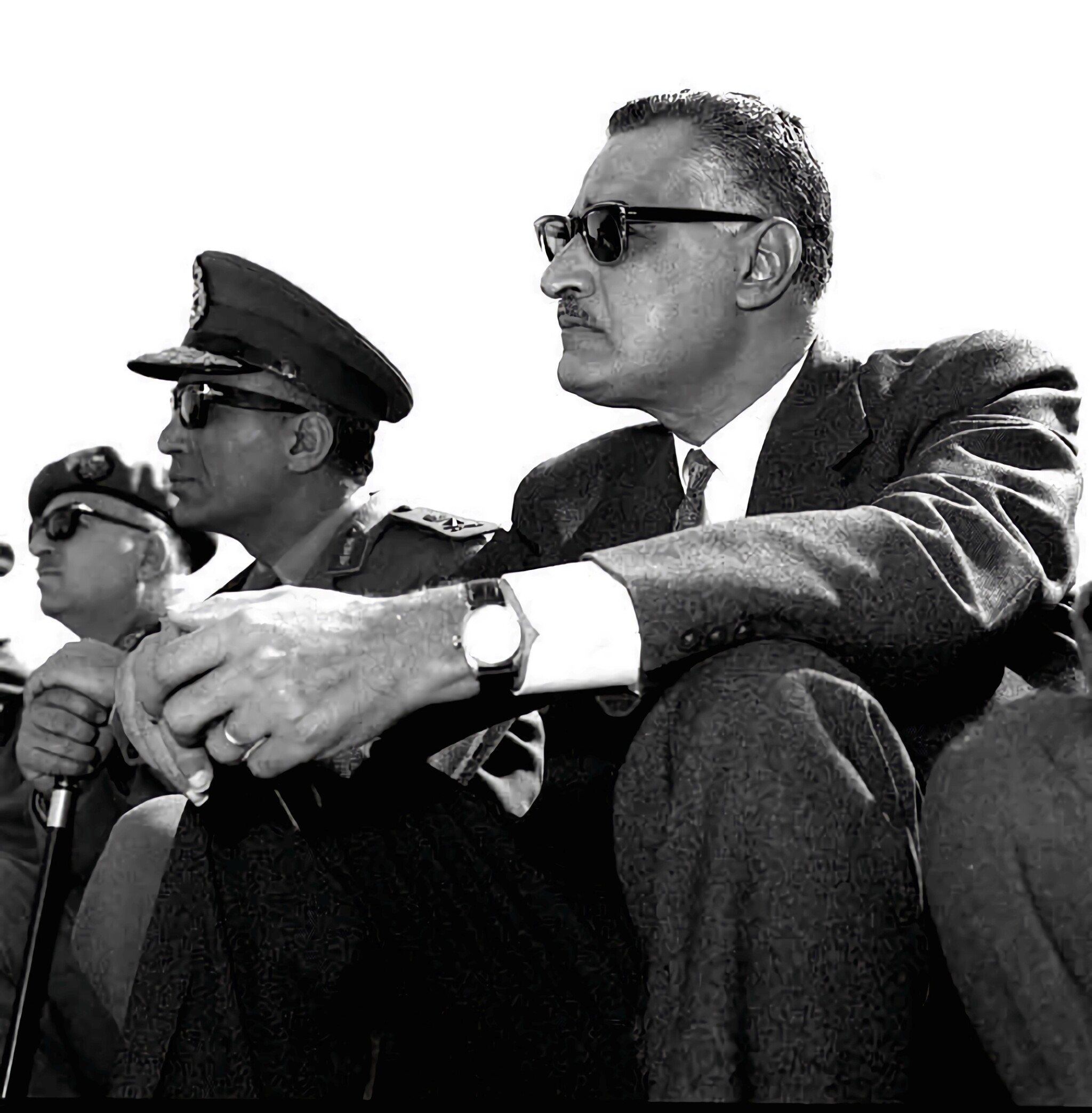
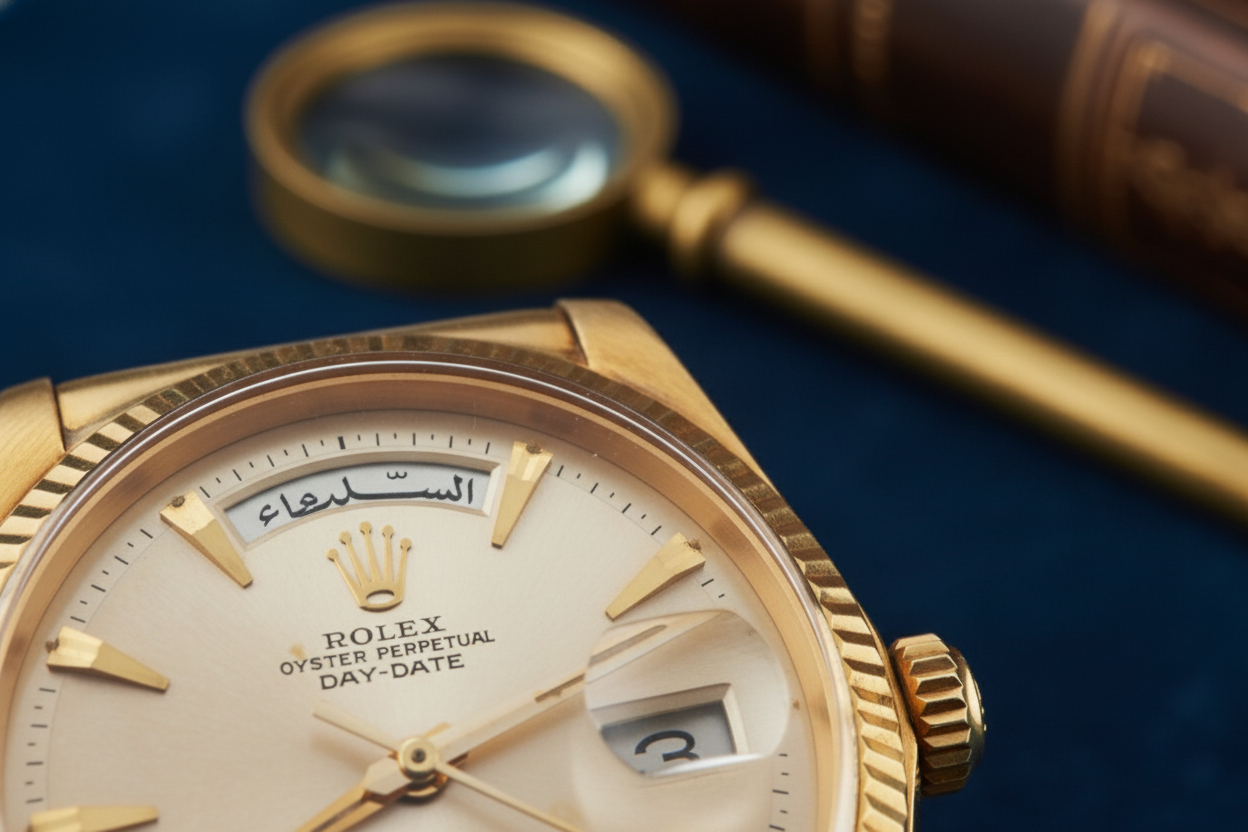
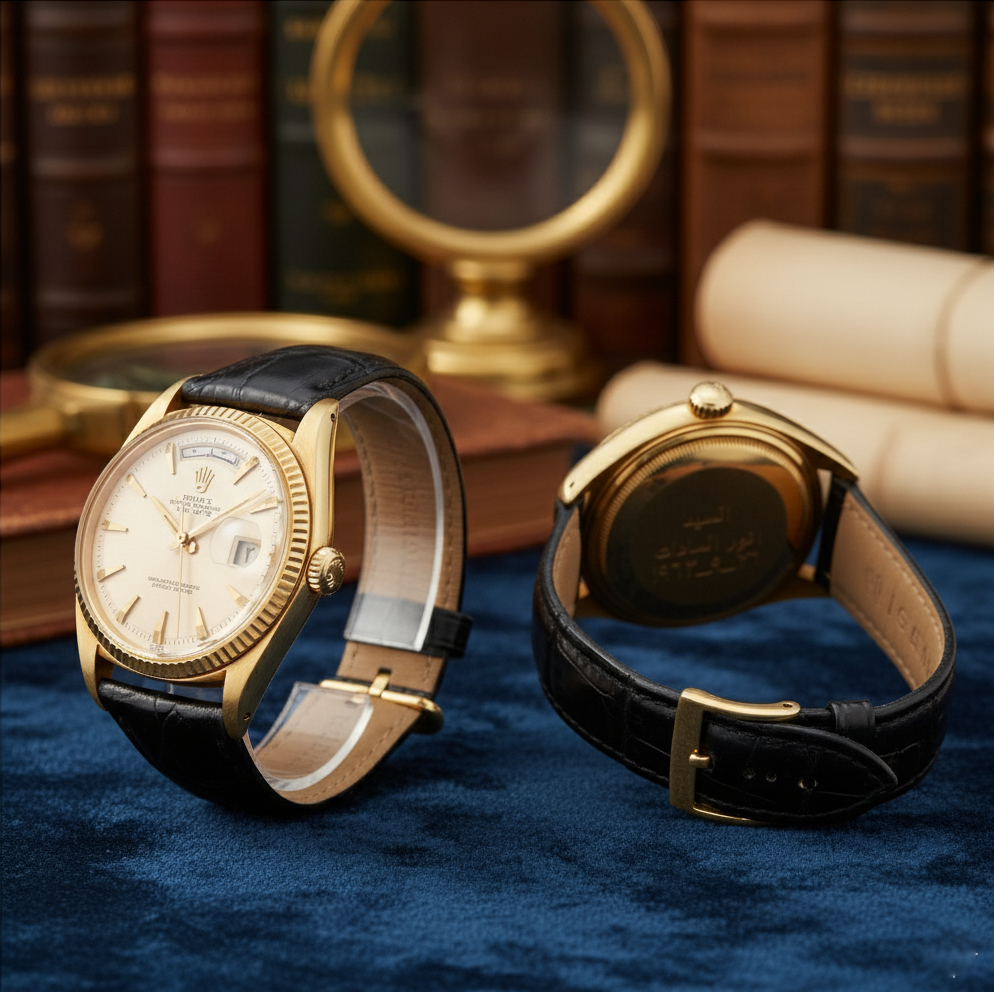
And then there’s Gamal Abdel Nasser the Egyptian president whose gold Rolex Day Date with Arabic numerals, gifted by Anwar Sadat in 1963, is the stuff of legend.
The watch was engraved with the words “Mr. Anwar El Sadat, 26-9-1963.” Two leaders, one friendship, one watch and a story that still ticks.
The Gift That Measures More Than Time
When you think about it, the act of gifting a watch in the Arab world isn’t really about the object at all. It’s about what the object stands for a relationship, a story, a shared moment in time.
It’s a beautiful paradox, giving someone something that measures time, yet becomes timeless itself. because in the end, that’s the true art of gifting in Arab culture the ability to turn a gesture into legacy.
Across the Arab world, a gifted watch has always meant more than its movement or metal. It’s a gesture that carries legacy the unspoken poetry of time shared, of gratitude made visible. Whether exchanged between leaders, offered at weddings, or given to mark success, these watches aren’t trophies. They are testaments to respect, to connection, to continuity.
In a culture where generosity is an art form, timepieces have become its modern canvas. The shimmer of gold, the precision of Swiss steel they all tell stories of lineage, of promise, of pride.
Because here, gifting a watch isn’t about counting minutes. It’s about honoring moments. And as the hands turn, generation after generation, the true measure isn’t time itself it’s the grace with which it’s given.