

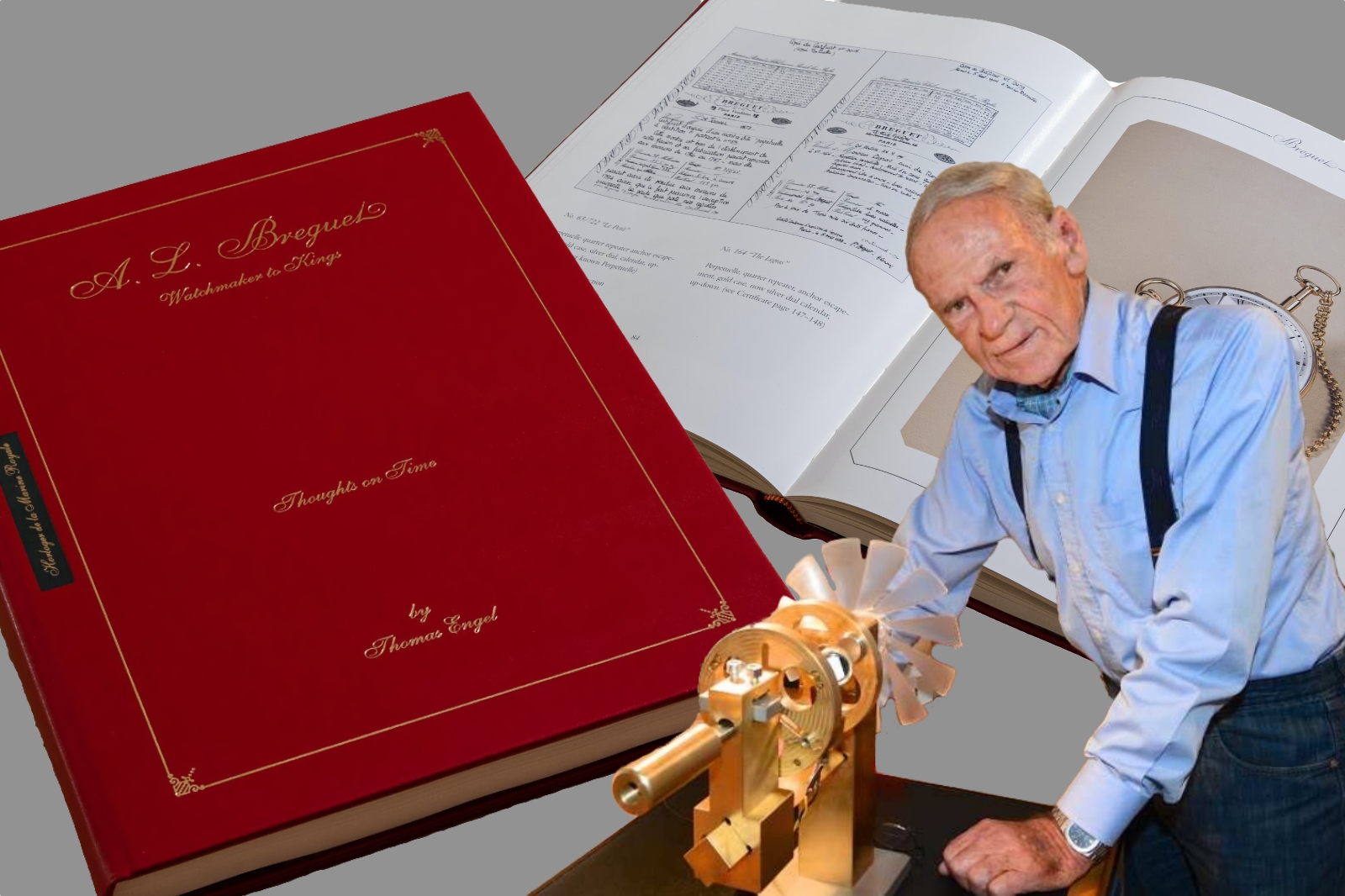
The Inventor Behind the World’s Most Scholarly Watch Collection
Thomas Engel gathered information to comprehend, not to impress. He had already secured more than a hundred patents, learned himself polymer science from library books, and established a profession based solely on self-discipline before watches captured his interest. He carried the same systematic mentality that had once transformed plastic buckets into an industrial empire with him when he finally turned to horology.
Engel was born in Leipzig in 1927 and grew up in a war-torn and loss-ravaged Germany. His early years required him to be resourceful; he exchanged items, sold pigeon feed, and discovered that opportunity and observation were just as important to survival. Lacking formal education, he discovered a store in Frankfurt that sold buckets coated in plastic for 10 dollars each after the war. He spent nights studying plastics at the local library because he was so perplexed by the price. By the time he was forty, he had become a millionaire after inventing a new technique for cross-linked polyethylene (PEX) and licensing it globally in a matter of years.
He was defined by his independence. He turned down corporate offers and worked from his farm near Frankfurt, which had a private lab and heliport. Later, his collection was guided by the same drive. The discovery that his first watch, a purported Breguet, was a fake may have demoralized others, but it ignited his lifelong fixation with authenticity. Under the influence of sellers like Edgar Mannheimer and collectors like Cyril Rosedale, Engel evolved from an inquisitive consumer into an academic. He discovered that true connoisseurship entailed being aware of a watch's provenance, story, and mechanism in addition to its price.
He established a quiet but commanding presence in Zurich and London auction halls. Through coded nudges under the table, his partner Mannheimer would bid on Engel's behalf, enabling him to covertly purchase classics like as tact watches, repeaters, and tourbillons. When the throng thinned at another sale, he bought a whole catalogue of Breguet watches, and once outbid the British Museum for a rare Breguet with jumping seconds. However, the verification was more important to him than the triumph. Each component was measured, photographed, recorded, and compared to Breguet's ledgers in an experiment.
Engel valued innovation over ornamentation. He was attracted to souscription watches for their clarity, garde-temps chronometers for their scientific accuracy, and the tourbillon for its function rather than its beauty. He saw every mechanism as a solution to an issue and a link between engineering and art. Convinced that timepieces, like patents, could use mechanical logic to reveal human development, he documented every technical and historical detail.
Engel put his study into paper after his ambitions to open a museum in Germany fell through. In the field of watch research, his 1994 book Breguet: Thoughts on Time became a seminal work. It altered how dealers and auction houses explained provenance and technical craftsmanship by fusing personal ideology with catalog information. Engel's claim that "one cannot improve on a Breguet" became a collector's creed after he likened Breguet's genius to Stradivarius on the basis of inventiveness rather than perfection.
Engel eventually made it difficult to distinguish between maker and collector. He collaborated with Zenith and Swiss watchmaker Richard Daners to create a limited line of tourbillons and regulators under his own brand, all of which were constructed to his precise specifications. He saw signing a watch as a last experiment in which he once again became the inventor, not a sign of vanity.
Even though Thomas Engel passed away in 2015, his impact lives on. His approaches changed the way history is written through artifacts, provenance is examined, and authenticity is confirmed. He demonstrated that collecting could be an intellectual activity rather than a luxury and that each tick of a Breguet conveys testimony in addition to time. After all, Engel's greatest creation was a method of thinking that was exacting, inquisitive, and ageless rather than a polymer or a watch.

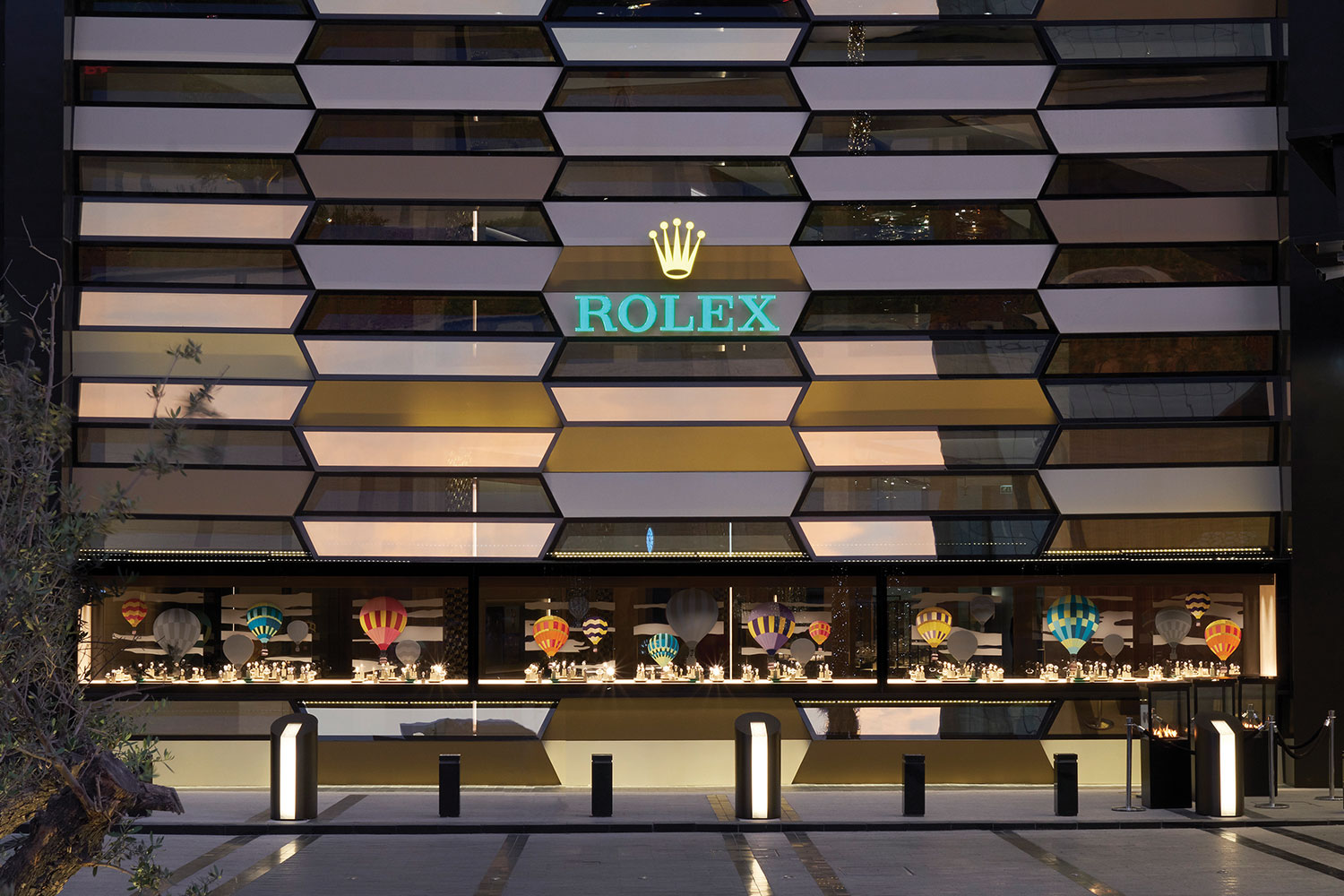
Inside Seddiqi’s Influence on the New Generation of Arab Collectors
In the last twenty years, the Gulf region has subtly evolved from a flourishing market for high end timepieces to a veritable hub of watch culture. Behind that development is the Seddiqi family name, which is associated with high end watches. Seddiqi Holding's Chief Commercial Officer, Mohammed Abdulmagied Seddiqi, has led the company in reshaping what it means to collect, value, and experience the world of luxury watchmaking in the Arab world.
The Art of Crafting Identity Through Limited Editions
The origins of contemporary collecting in the Gulf starts with a straightforward concept: making something special for the area, by the area. Working with some of the most prominent brands in the global marketplace, Seddiqi started creating Dubai Edition and UAE Edition timepieces in the early 2000s. More than 120 limited editions from brands like Bovet, Richard Mille, Audemars Piguet, and Patek Philippe are currently part of that inventory.
Every piece is the result of genuine enthusiasm rather than marketing. By talking to friends and collectors, getting feedback, and perfecting every detail, from the case finish to the dial materials, Seddiqi and his team create watches that they would personally love to own. In order to make a Bovet watch more wearable, one such collaboration redesigned it with a meteorite dial, a sand-blasted titanium case, and a slimmer crown location. This small but significant change made the watch a collector's favorite.
This collaborative crafting ethic has come to define Seddiqi. Authentically Middle Eastern, sophisticated, expressive, and closely linked to cultural identity, these limited-edition timepieces are the end product.
Educating a Generation of Collectors
Many consumers in the area purchased timepieces twenty years ago more as status symbols than as works of art. The price tag was what mattered, not whether it was mechanical or quartz. That mentality has drastically shifted.
Seddiqi has contributed to the development of a new generation of knowledgeable, ardent collectors through constant instruction, ranging from one-on-one consultations to international gatherings like Dubai Watch Week. These days, clients inquire in-depth about design philosophies, power reserves, movement types, and problems. The Gulf consumer has developed into a discriminating connoisseur who appreciates creativity, accuracy, and narrative just as much as luxury.
Perhaps the most telling sign of this cultural shift is the growing curiosity among women collectors. Once drawn mainly to jeweled or decorative watches, many now seek mechanical timepieces featuring complex movements such as world-timers, annual calendars, and even tourbillons, pieces that reflect both elegance and expertise.
A New Era of Collecting in the Gulf
Seddiqi's impact has changed perspective and goes beyond business. Purchasing a watch in the early 2000s was frequently motivated just by prestige; "the most expensive model" was sufficient. Collectors in the Gulf nowadays make deliberate purchases. They are curious as to who created the movement, how many components there are, and what technological advancements are included. Ownership has changed to include comprehension, gathering, and legacy. Consumer sophistication is only one aspect of this cultural shift. It represents a more comprehensive sense of regional identity that emphasizes craftsmanship, artistry, and cultural preservation. Through partnerships, events, and education, Seddiqi Holding has developed a movement that values the art of horology from a truly Arab perspective, in addition to a market.
The Seddiqi Legacy
What started out as a commercial idea in Dubai has developed into a multigenerational community of enthusiasts. By bridging the gap between classic Swiss knowledge and Arab ingenuity, Seddiqi has demonstrated that the future of exquisite watchmaking is not limited to Geneva or Le Brassus but rather flourishes right in the middle of the Gulf.
Every limited edition offers a story of creativity, camaraderie, and the Arabs' unwavering love of beauty and accuracy, not simply regarding time, for collectors around the area.