
Inside Seddiqi’s Influence on the New Generation of Arab Collectors
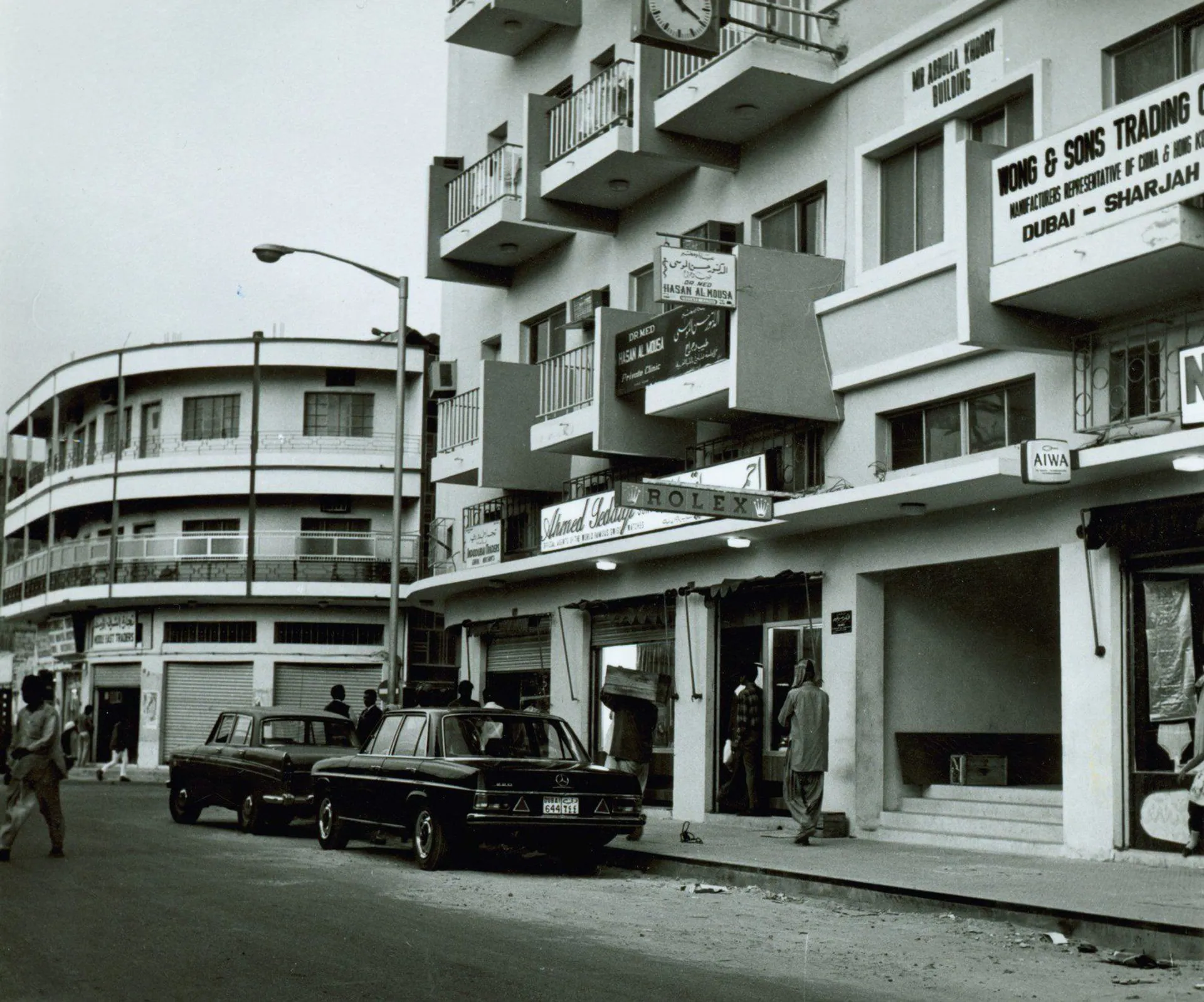
In the last twenty years, the Gulf region has subtly evolved from a flourishing market for high end timepieces to a veritable hub of watch culture. Behind that development is the Seddiqi family name, which is associated with high end watches. Seddiqi Holding’s Chief Commercial Officer, Mohammed Abdulmagied Seddiqi, has led the company in reshaping what it means to collect, value, and experience the world of luxury watchmaking in the Arab world.
The Art of Crafting Identity Through Limited Editions
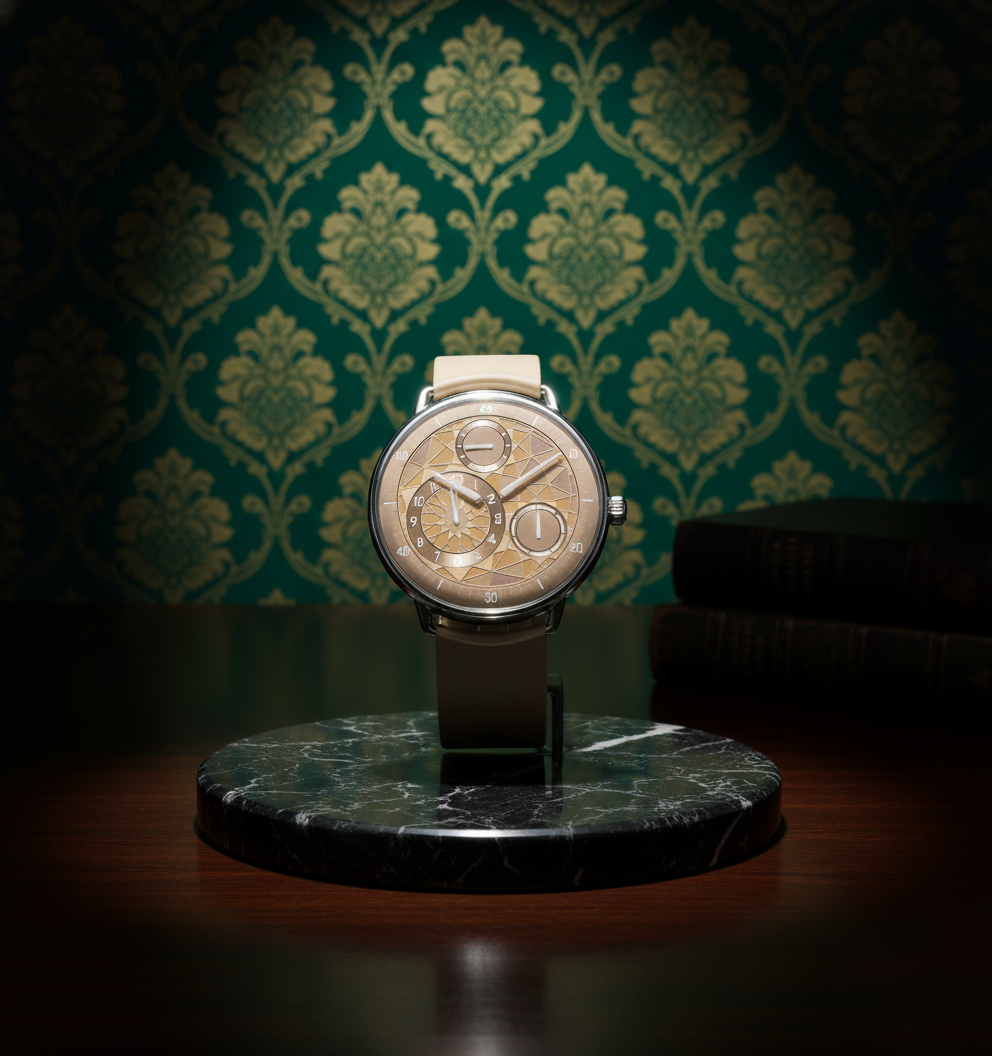
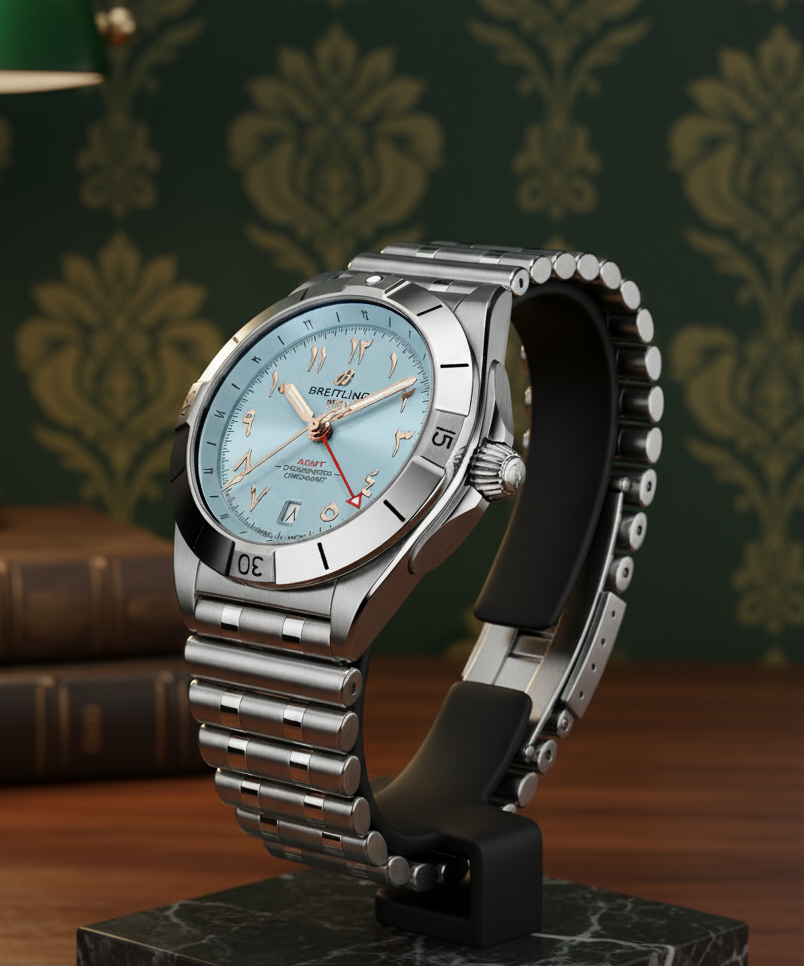
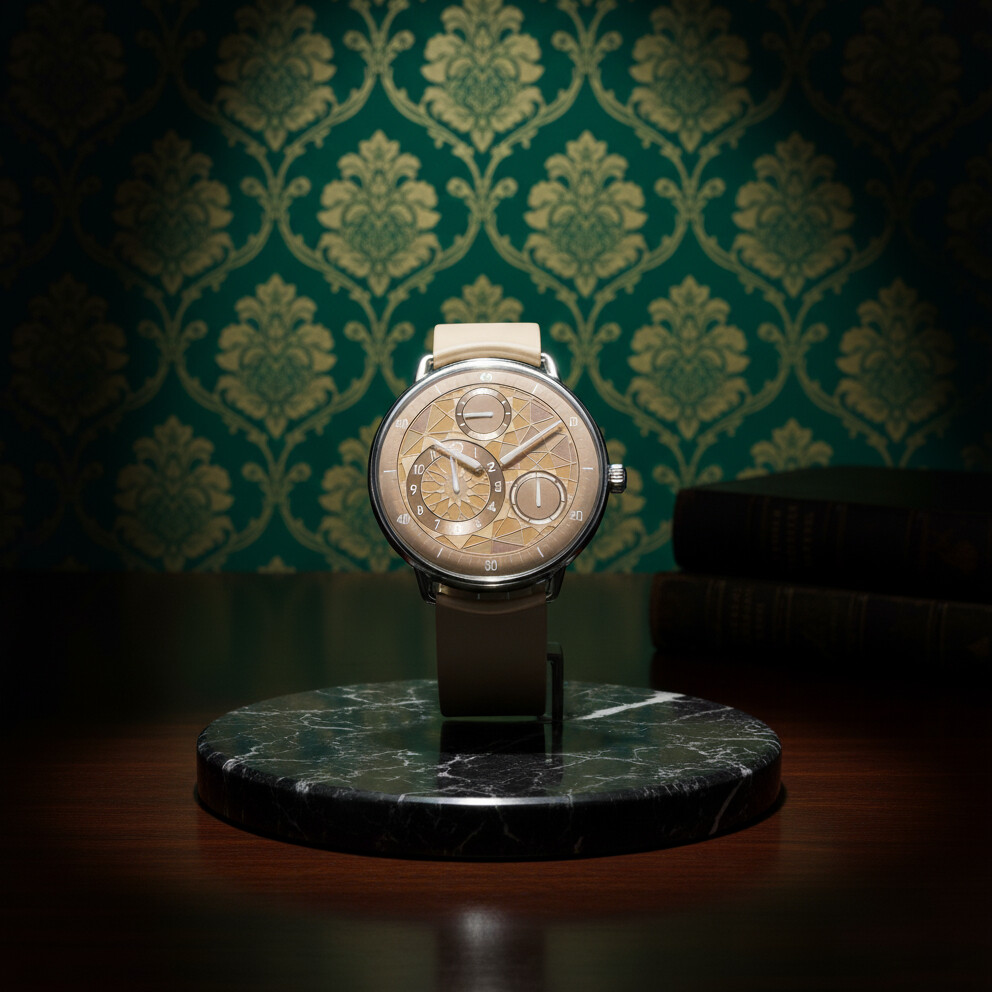
The origins of contemporary collecting in the Gulf starts with a straightforward concept: making something special for the area, by the area. Working with some of the most prominent brands in the global marketplace, Seddiqi started creating Dubai Edition and UAE Edition timepieces in the early 2000s. More than 120 limited editions from brands like Bovet, Richard Mille, Audemars Piguet, and Patek Philippe are currently part of that inventory.
Every piece is the result of genuine enthusiasm rather than marketing. By talking to friends and collectors, getting feedback, and perfecting every detail, from the case finish to the dial materials, Seddiqi and his team create watches that they would personally love to own. In order to make a Bovet watch more wearable, one such collaboration redesigned it with a meteorite dial, a sand-blasted titanium case, and a slimmer crown location. This small but significant change made the watch a collector’s favorite.
This collaborative crafting ethic has come to define Seddiqi. Authentically Middle Eastern, sophisticated, expressive, and closely linked to cultural identity, these limited-edition timepieces are the end product.
Educating a Generation of Collectors
Many consumers in the area purchased timepieces twenty years ago more as status symbols than as works of art. The price tag was what mattered, not whether it was mechanical or quartz. That mentality has drastically shifted.
Seddiqi has contributed to the development of a new generation of knowledgeable, ardent collectors through constant instruction, ranging from one-on-one consultations to international gatherings like Dubai Watch Week. These days, clients inquire in-depth about design philosophies, power reserves, movement types, and problems. The Gulf consumer has developed into a discriminating connoisseur who appreciates creativity, accuracy, and narrative just as much as luxury.
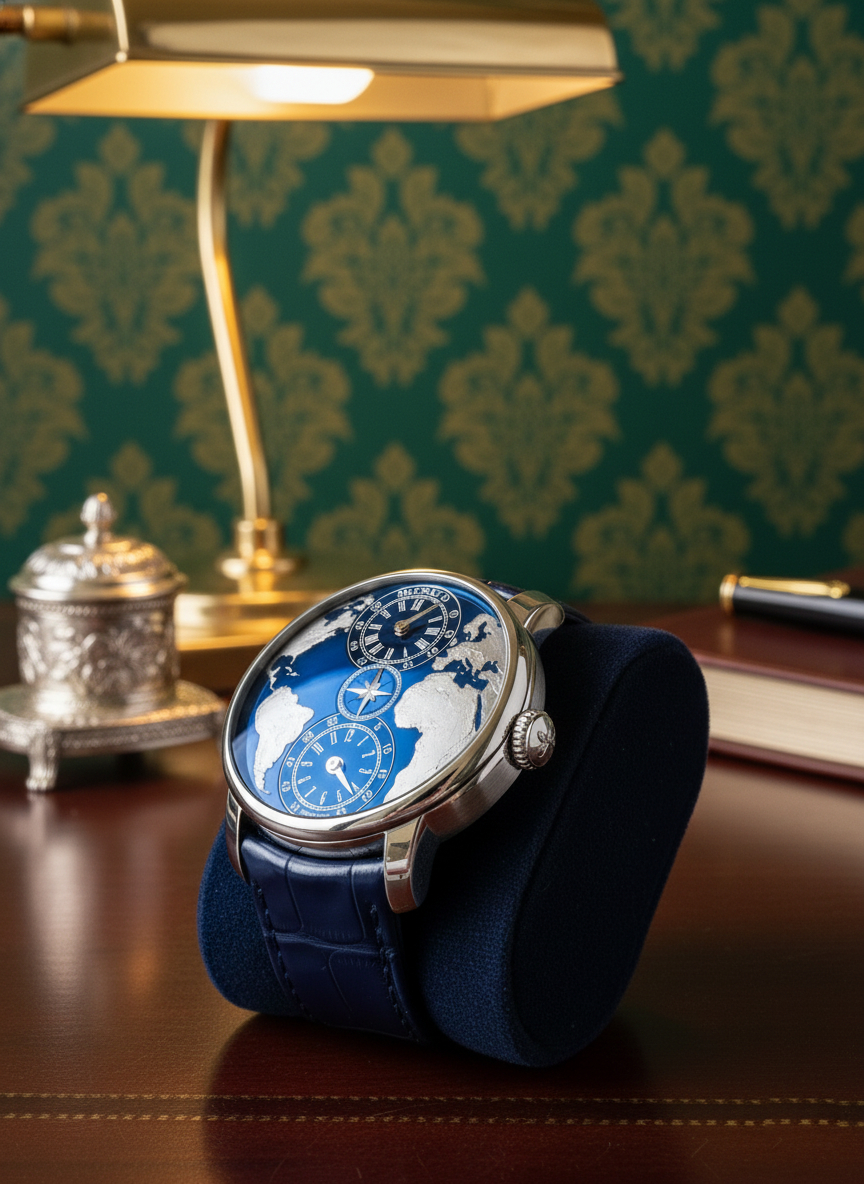
Perhaps the most telling sign of this cultural shift is the growing curiosity among women collectors. Once drawn mainly to jeweled or decorative watches, many now seek mechanical timepieces featuring complex movements such as world-timers, annual calendars, and even tourbillons, pieces that reflect both elegance and expertise.
A New Era of Collecting in the Gulf
Seddiqi’s impact has changed perspective and goes beyond business. Purchasing a watch in the early 2000s was frequently motivated just by prestige; “the most expensive model” was sufficient. Collectors in the Gulf nowadays make deliberate purchases. They are curious as to who created the movement, how many components there are, and what technological advancements are included. Ownership has changed to include comprehension, gathering, and legacy. Consumer sophistication is only one aspect of this cultural shift. It represents a more comprehensive sense of regional identity that emphasizes craftsmanship, artistry, and cultural preservation. Through partnerships, events, and education, Seddiqi Holding has developed a movement that values the art of horology from a truly Arab perspective, in addition to a market.
The Seddiqi Legacy
What started out as a commercial idea in Dubai has developed into a multigenerational community of enthusiasts. By bridging the gap between classic Swiss knowledge and Arab ingenuity, Seddiqi has demonstrated that the future of exquisite watchmaking is not limited to Geneva or Le Brassus but rather flourishes right in the middle of the Gulf.
Every limited edition offers a story of creativity, camaraderie, and the Arabs’ unwavering love of beauty and accuracy, not simply regarding time, for collectors around the area.